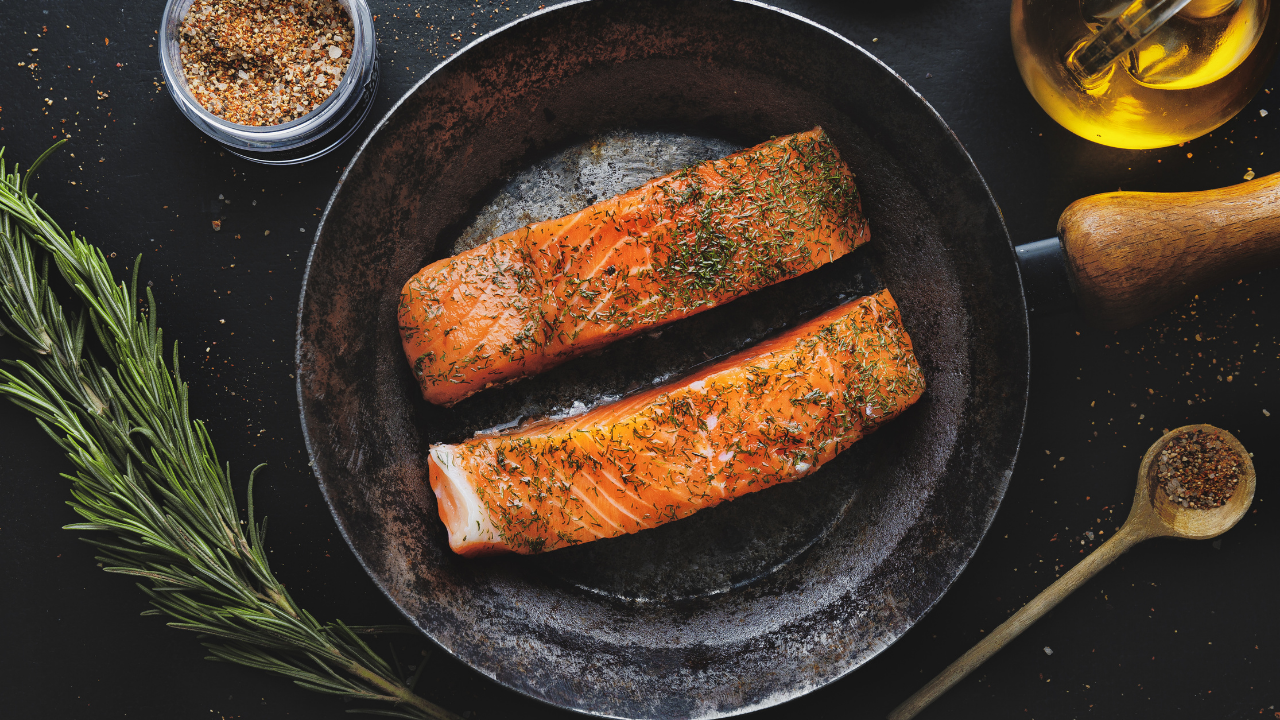
Why Sticking Is Often Part of the Cooking Process
Food sticking to a pan is not always a sign that something has gone wrong. In many cases, sticking is simply part of cooking. As food heats, its surface changes. Moisture moves, proteins …

Practical, technique-focused guidance that explains how cooking actually works. These articles break down methods, ingredients, and decisions so you can cook with greater confidence and consistency. Each topic builds understanding that carries across many recipes, not just one dish.
Food sticking to a pan is not always a sign that something has gone wrong. In many cases, sticking is simply part of cooking. As food heats, its surface changes. Moisture moves, proteins …
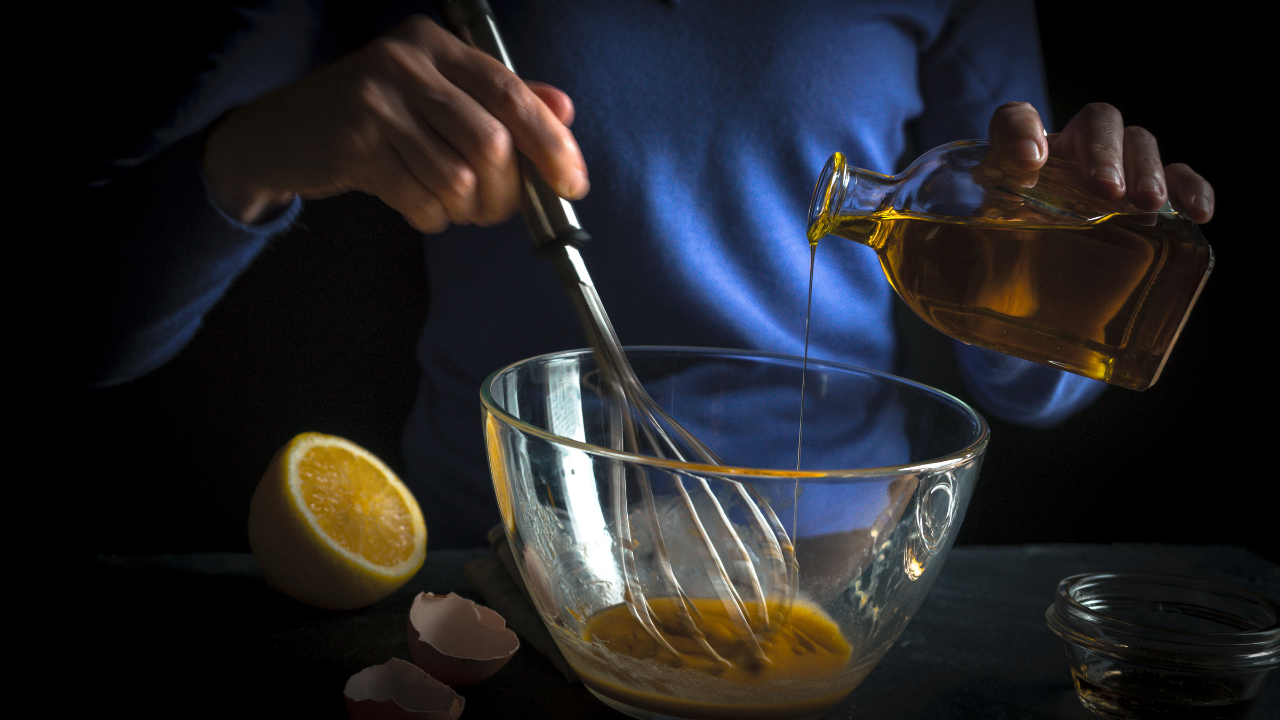
Emulsification Explained Vinaigrettes may separate during storage. Mayonnaise can turn thin and greasy. Butter sauces may lose their gloss and divide into distinct layers. Emulsification brings ingredients such as oil and water into …
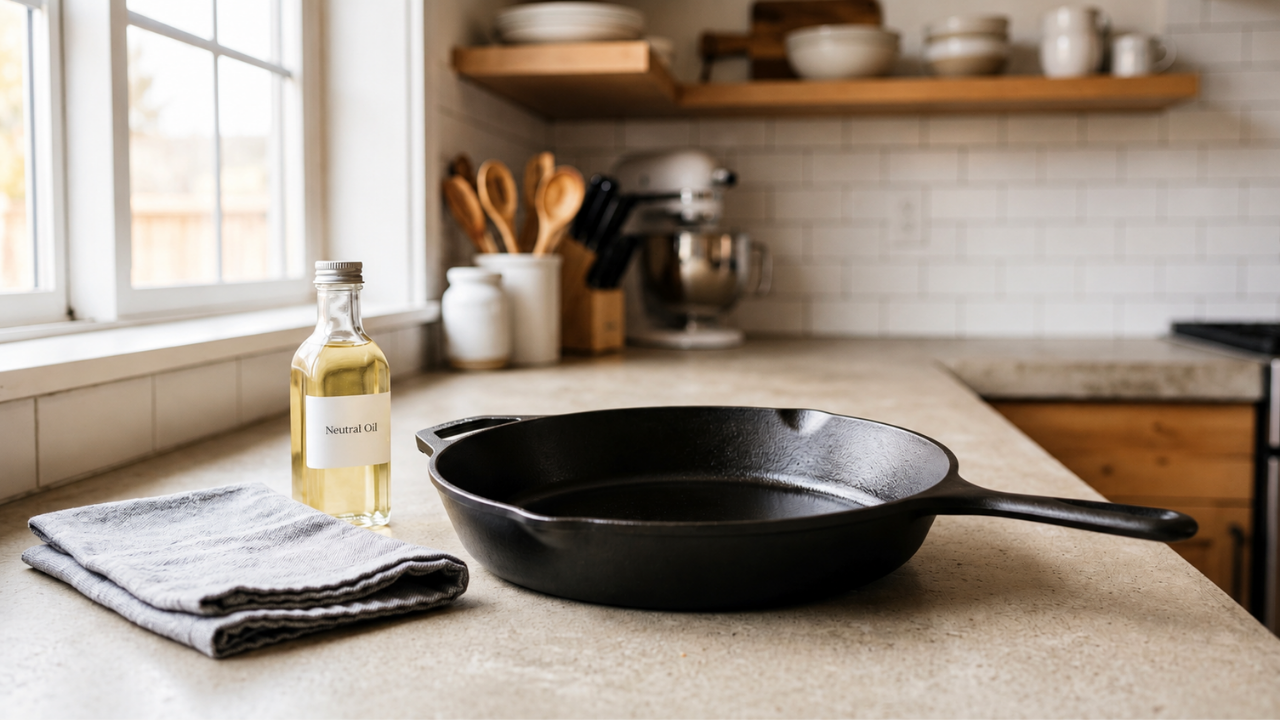
Cast iron is one of the most useful pans in the kitchen because it holds heat well, transfers easily from stovetop to oven, and helps achieve deep browning when used properly. It shows …
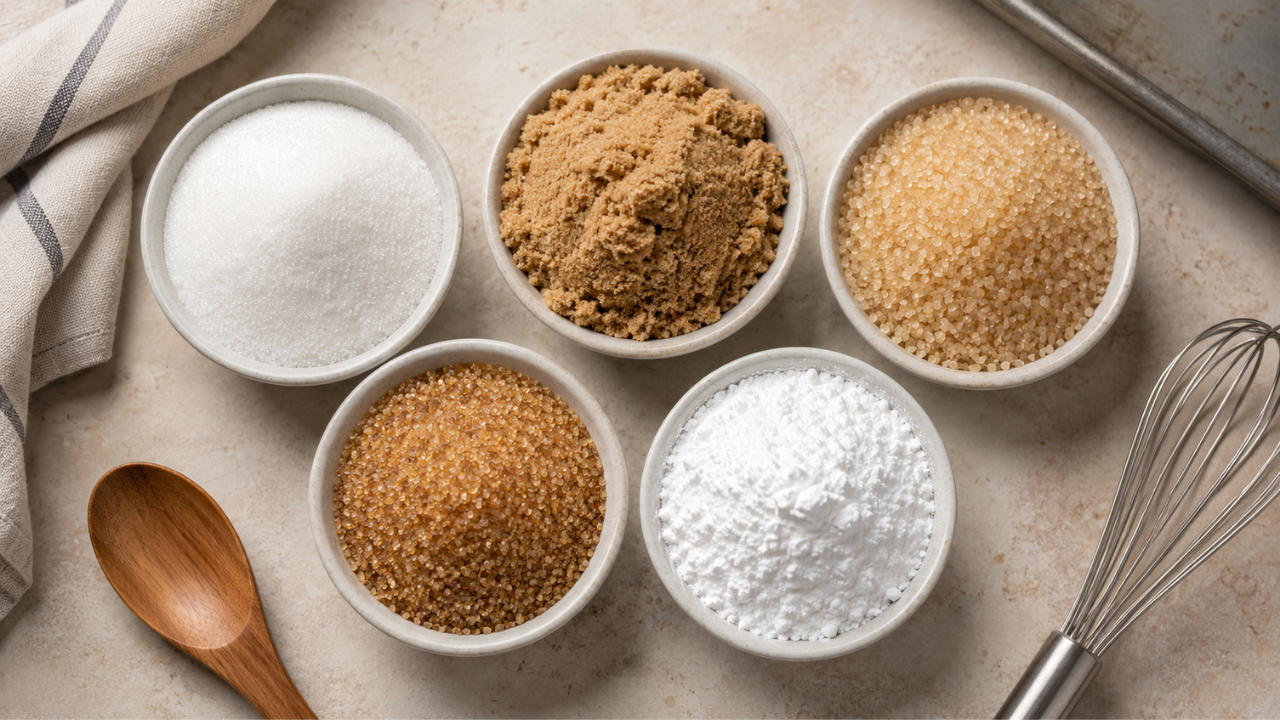
You sprinkle turbinado sugar into your cake batter and pull out something gritty. You swap brown sugar for white and wonder why the cookies feel dry and flat. You dust your muffins with …
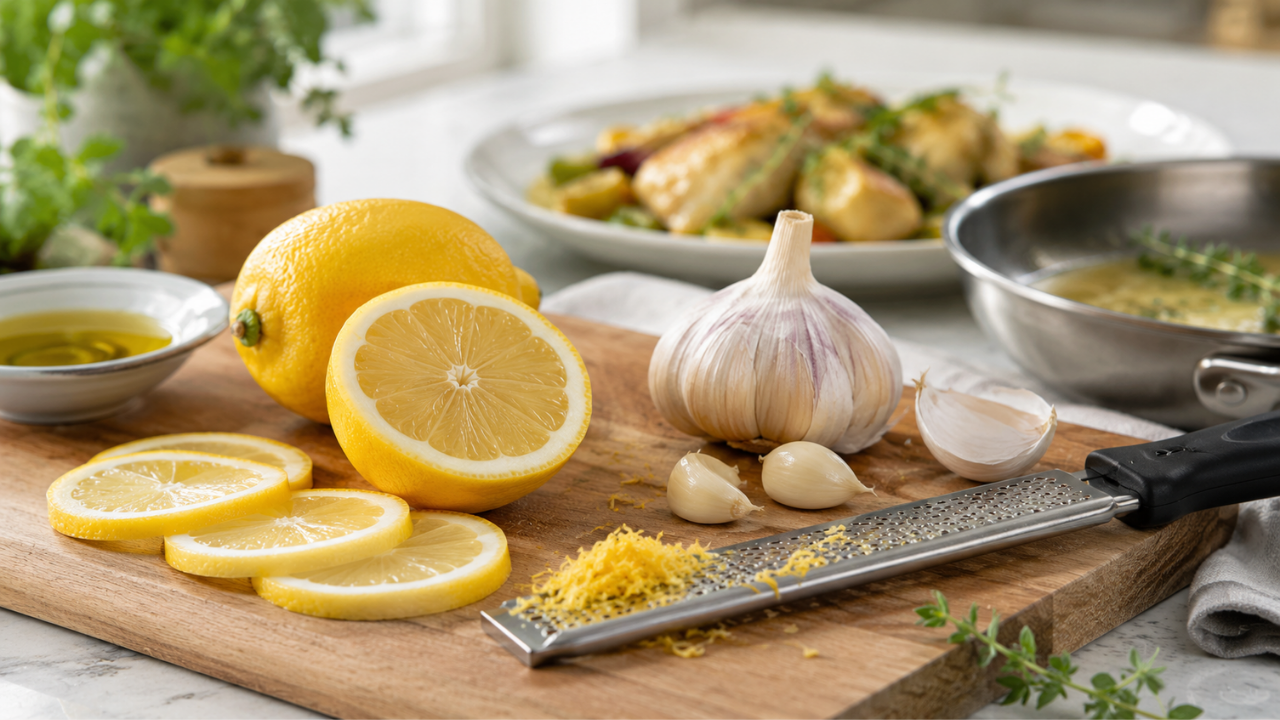
Lemon and garlic are two of the most familiar ingredients in savory cooking, but they do not improve a dish in the same way. Garlic gives food a savory base. It adds depth, …
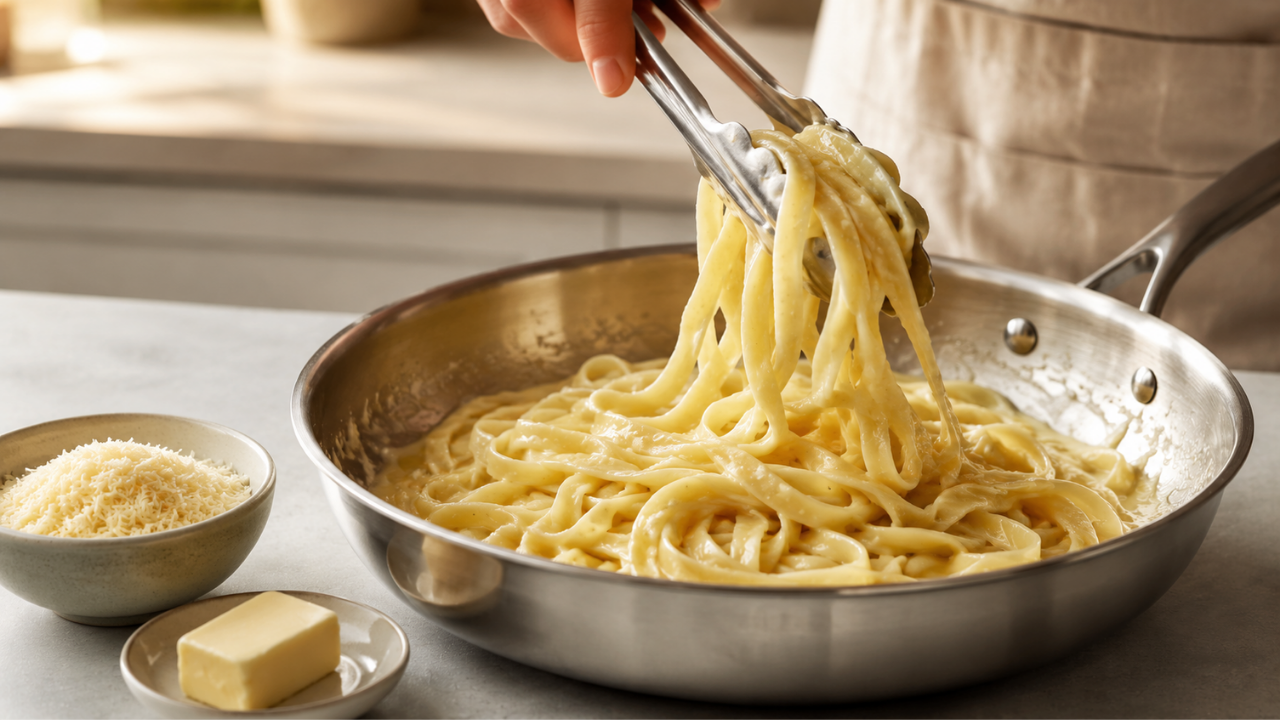
Alfredo sauce is one of the most familiar pasta sauces for home cooks, but it is also one of the most misunderstood. Many people know Alfredo as a rich, creamy white sauce served …
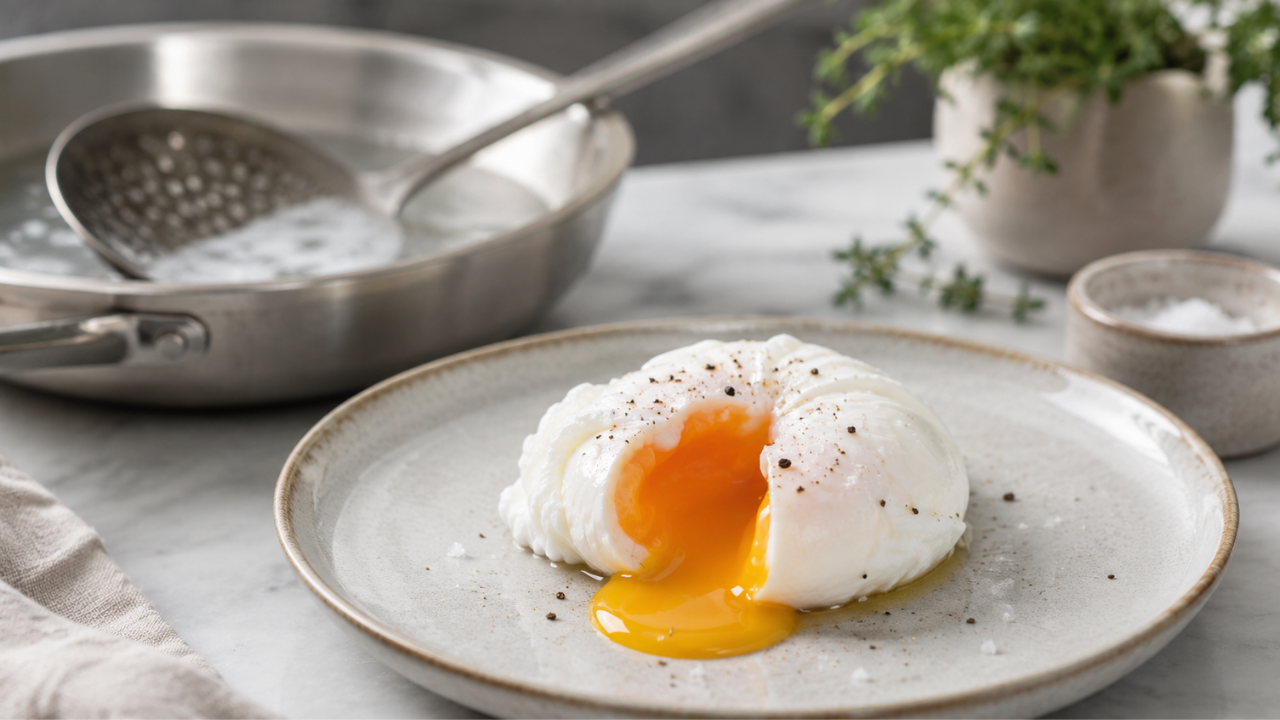
Of all the ways to cook an egg, poaching is one of the clearest tests of temperature control. The method looks simple: an egg, water, and a few minutes. But the difference between …
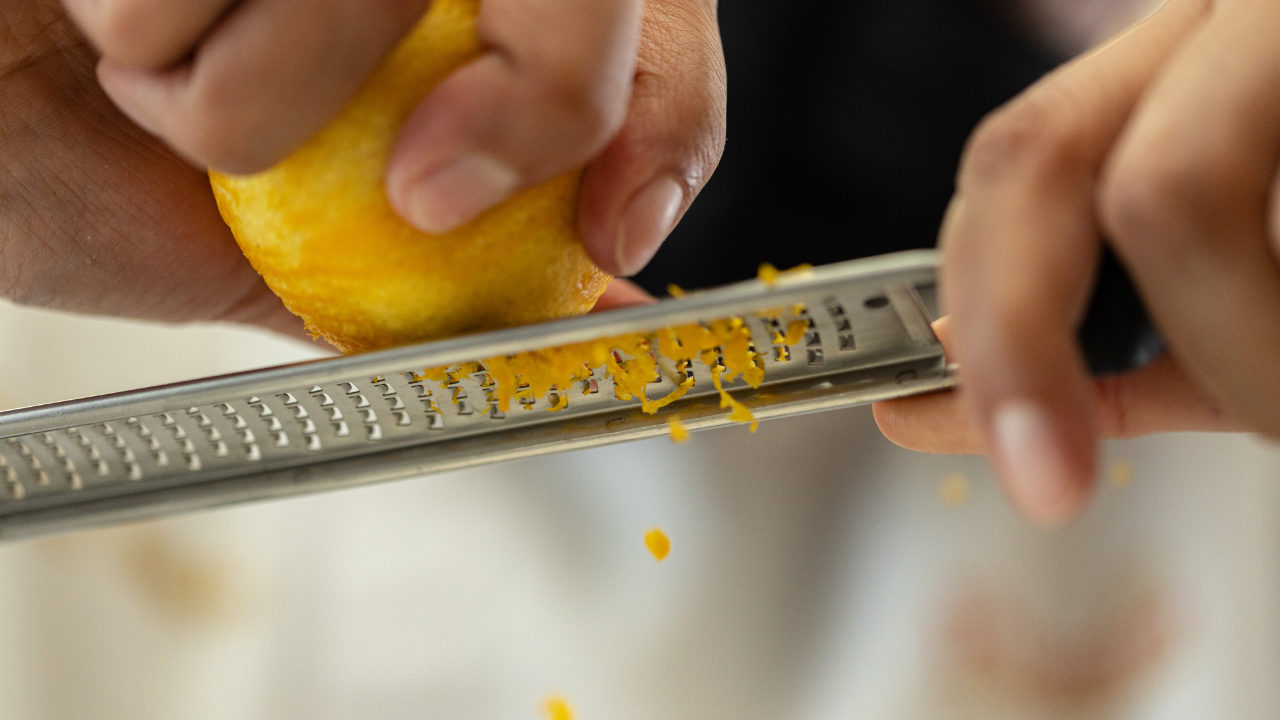
Most home cooks own a Microplane. Fewer use it to its full potential. You may pull it out for lemon zest or a little Parmesan, then put it back in the drawer. But …
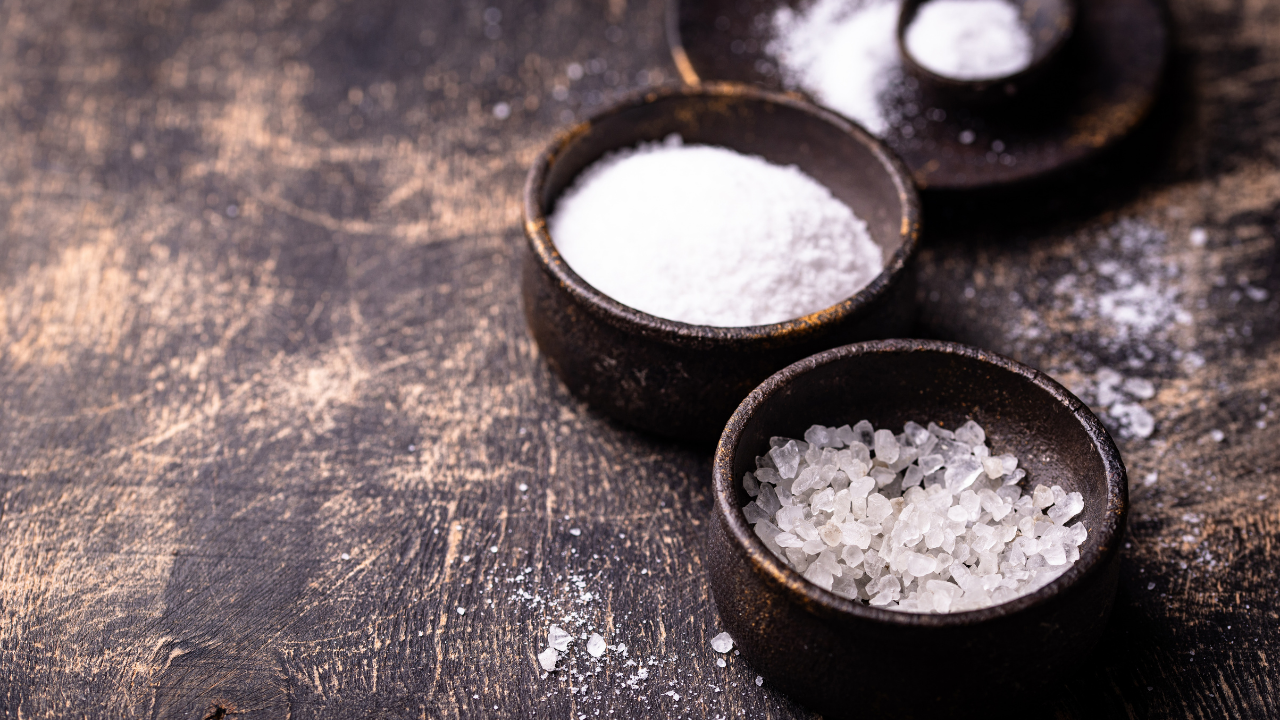
Salt is one of the simplest ingredients in the kitchen, but it is also one of the easiest to misunderstand. Kosher, sea, and table salt are all salt, but they behave differently. Their …
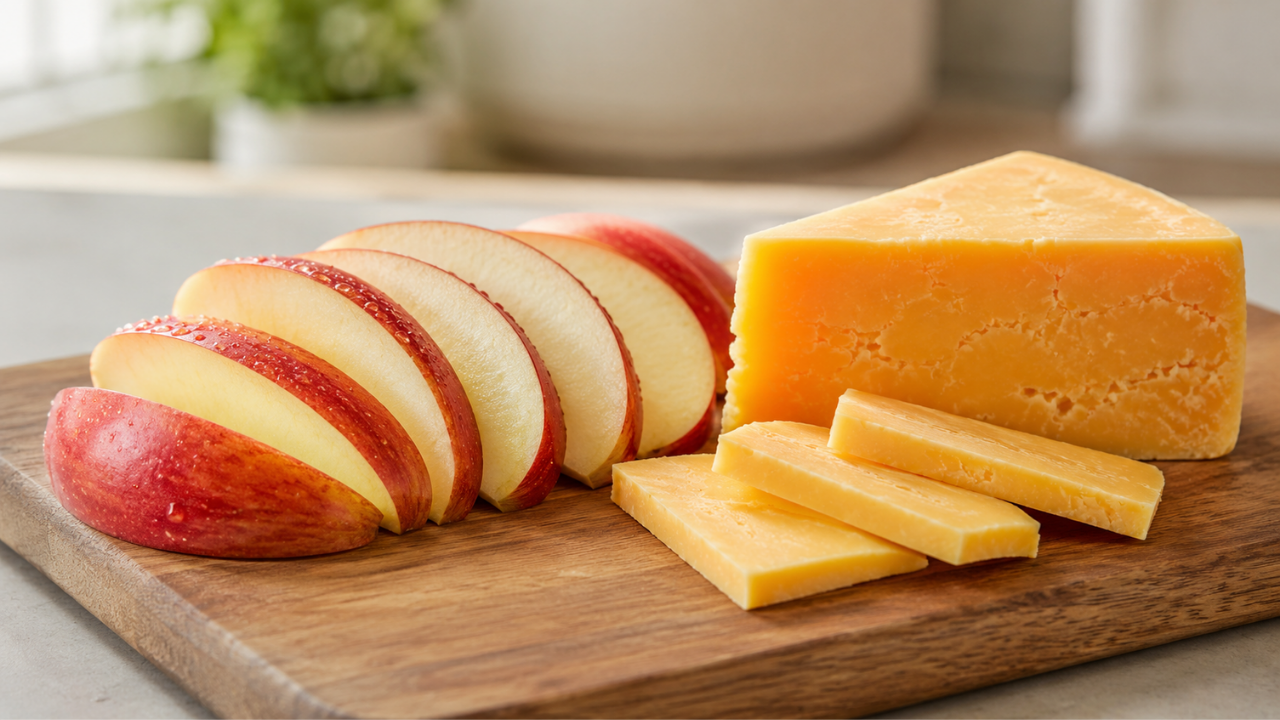
Apple and cheddar are a classic pairing because they teach a useful cooking principle: flavor often works best when ingredients bring different strengths to the same bite. Apple brings sweetness, acidity, freshness, moisture, …
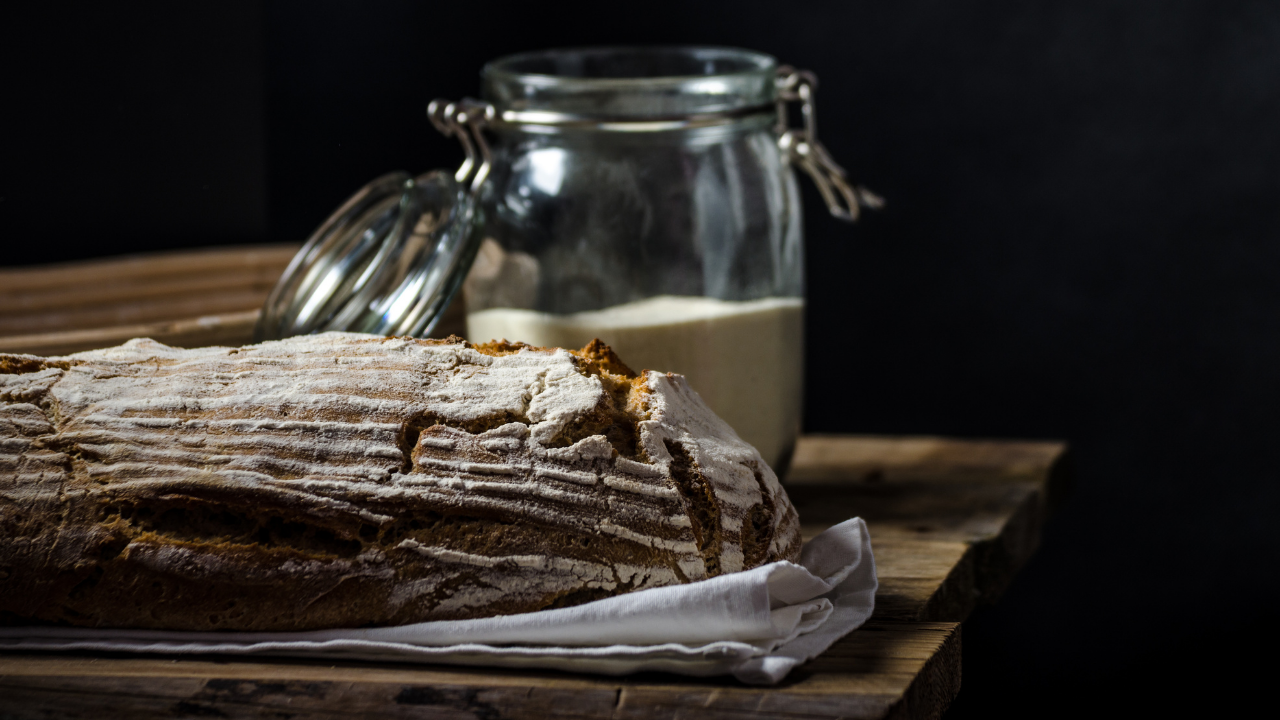
Sourdough is one of the oldest and most practical ways humans learned to make bread rise. Before commercial yeast became common, bread depended on natural fermentation: flour and water mixed with wild yeast …
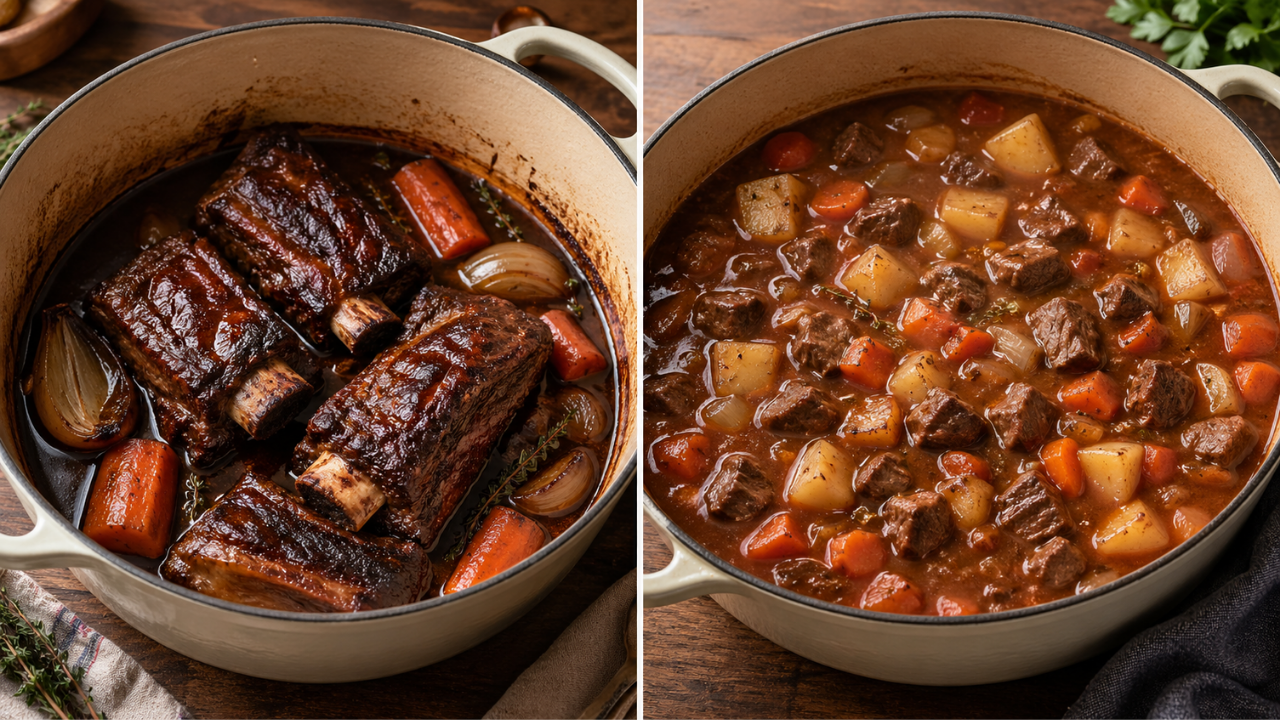
Braising and stewing both use gentle heat, moisture, and time to tenderize food. They are especially useful for tougher cuts of meat, dense vegetables, beans, and dishes that require slow, steady cooking rather …
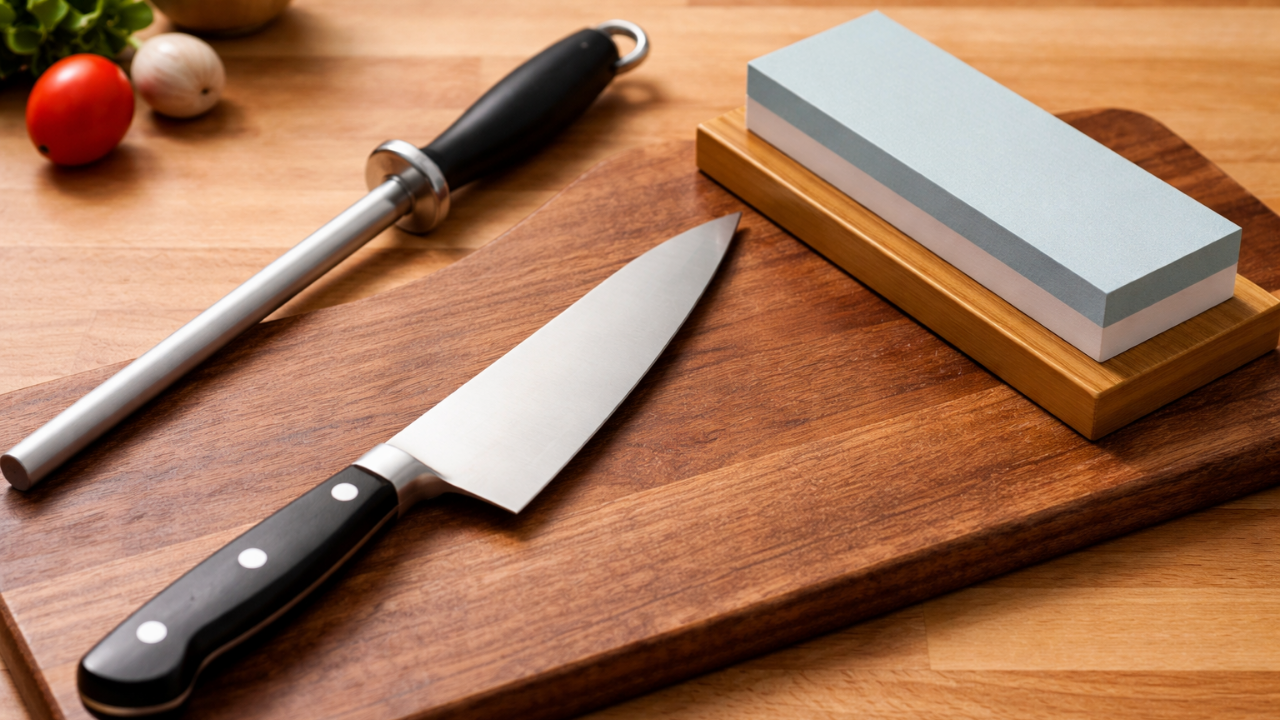
A knife that cuts cleanly changes the entire feel of prep. It gives you better control, cleaner slices, and a steadier rhythm at the board. When the edge is not in good condition, …
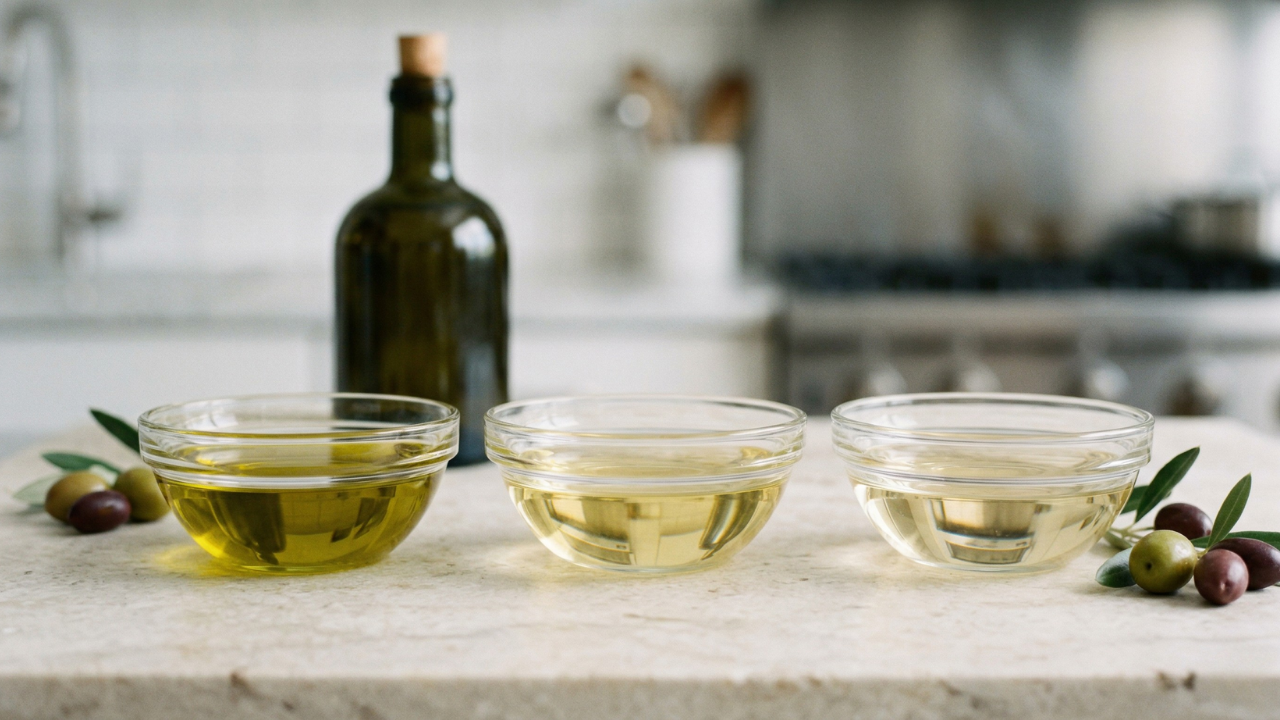
Olive oil labels can be more confusing than helpful. Terms like extra virgin, light, and pomace seem straightforward, but they rarely tell home cooks what matters most in the kitchen. These grades affect …
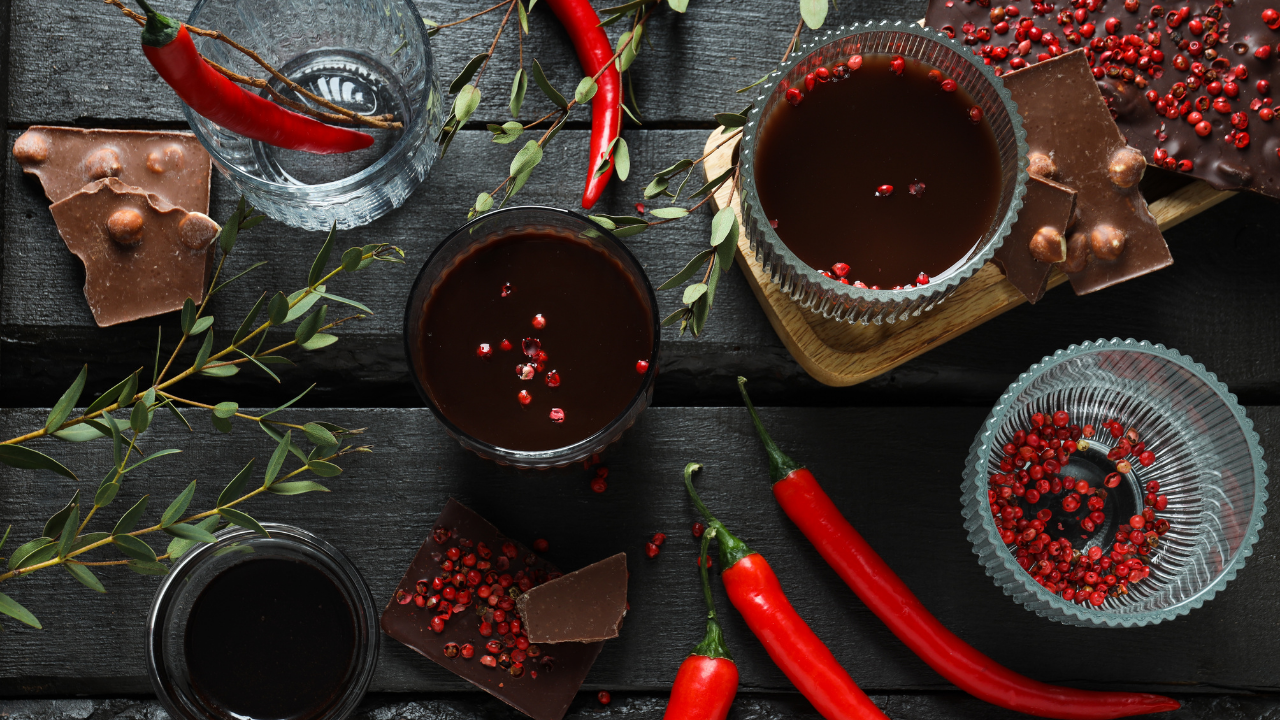
Chocolate and chili may sound like a bold pairing, but they have long worked together in both savory and sweet cooking. When balanced well, chili does not simply make chocolate spicy, and chocolate …
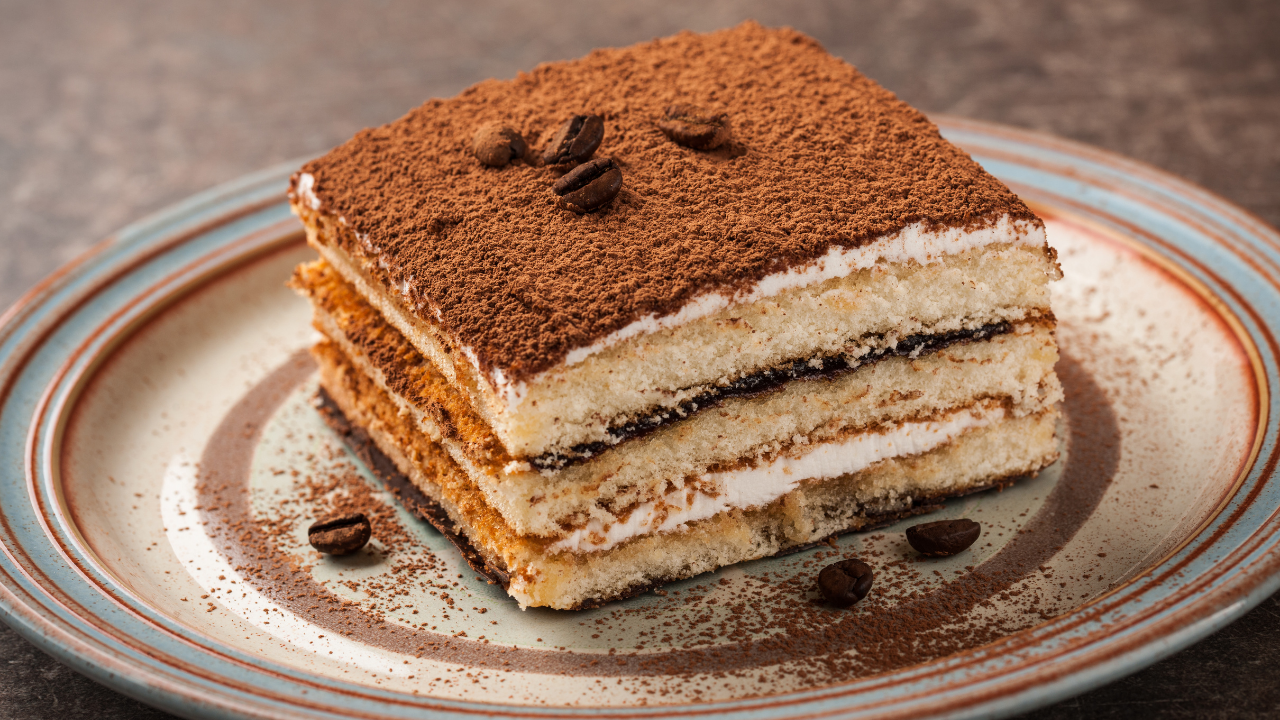
Tiramisu is one of the most recognizable desserts in Italian cooking, but it is often reduced to a name, a flavor, or a menu favorite. In practice, tiramisu is a layered dessert built …