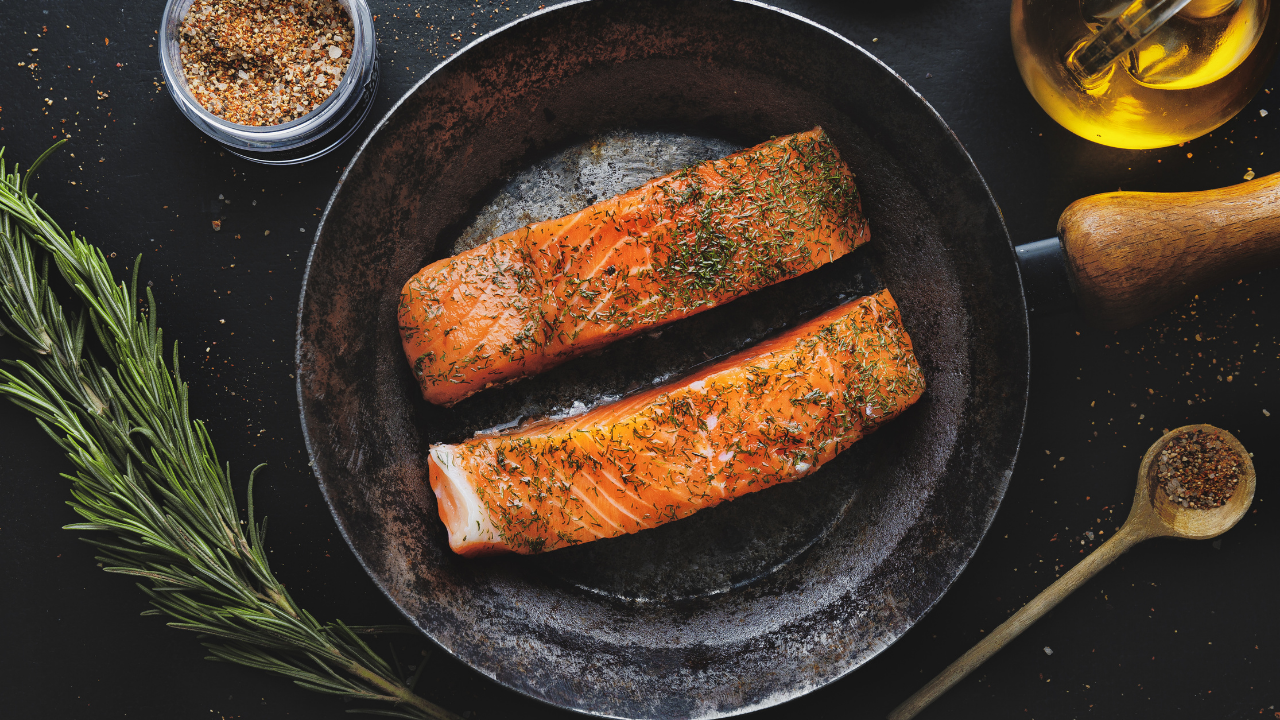
Why Sticking Is Often Part of the Cooking Process
Food sticking to a pan is not always a sign that something has gone wrong. In many cases, sticking is simply part of cooking. As food heats, its surface changes. Moisture moves, proteins …

Master the fundamentals that make cooking easier and more confident. This category breaks down essential techniques, methods, and culinary terms into clear, practical explanations you can actually use in your kitchen.
Food sticking to a pan is not always a sign that something has gone wrong. In many cases, sticking is simply part of cooking. As food heats, its surface changes. Moisture moves, proteins …
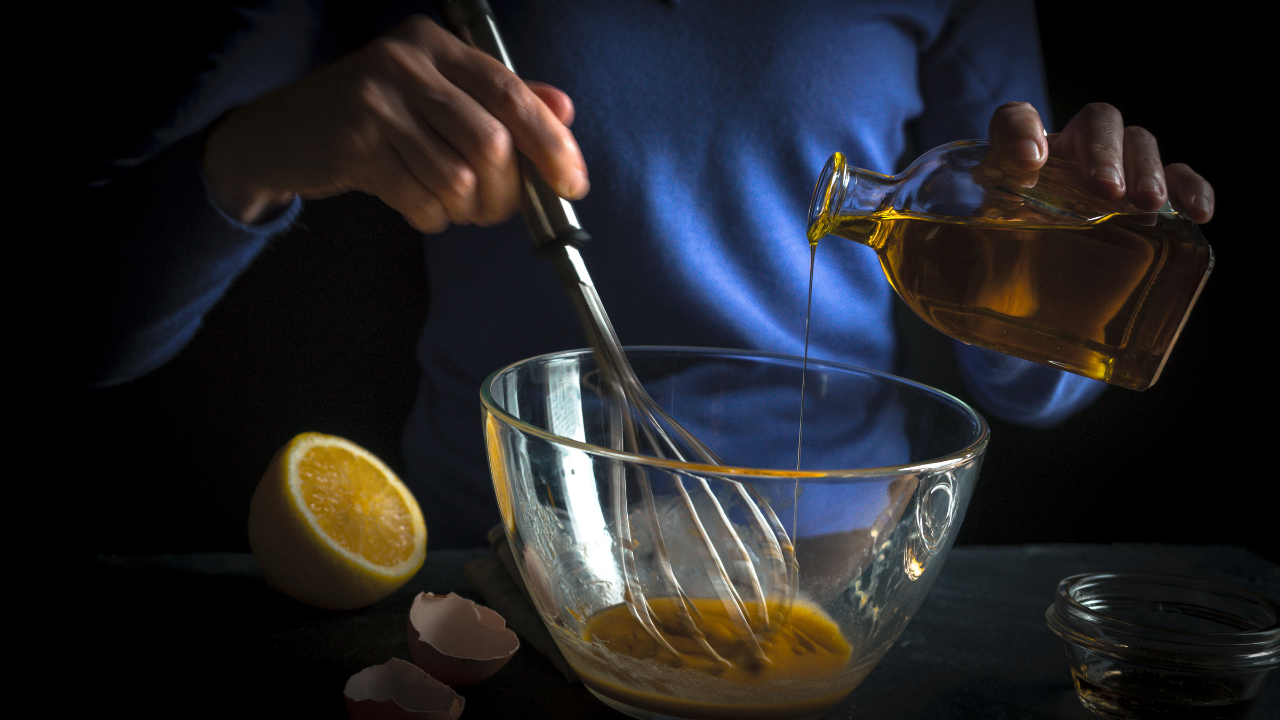
Emulsification Explained Vinaigrettes may separate during storage. Mayonnaise can turn thin and greasy. Butter sauces may lose their gloss and divide into distinct layers. Emulsification brings ingredients such as oil and water into …
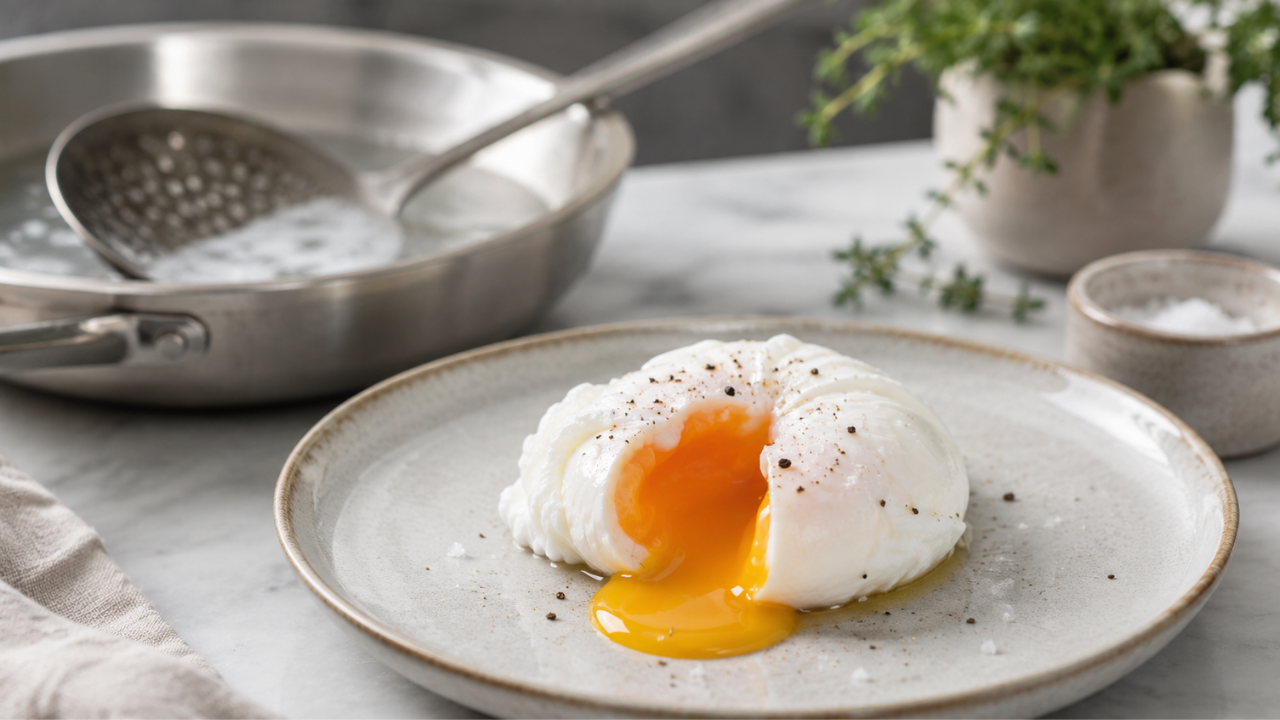
Of all the ways to cook an egg, poaching is one of the clearest tests of temperature control. The method looks simple: an egg, water, and a few minutes. But the difference between …
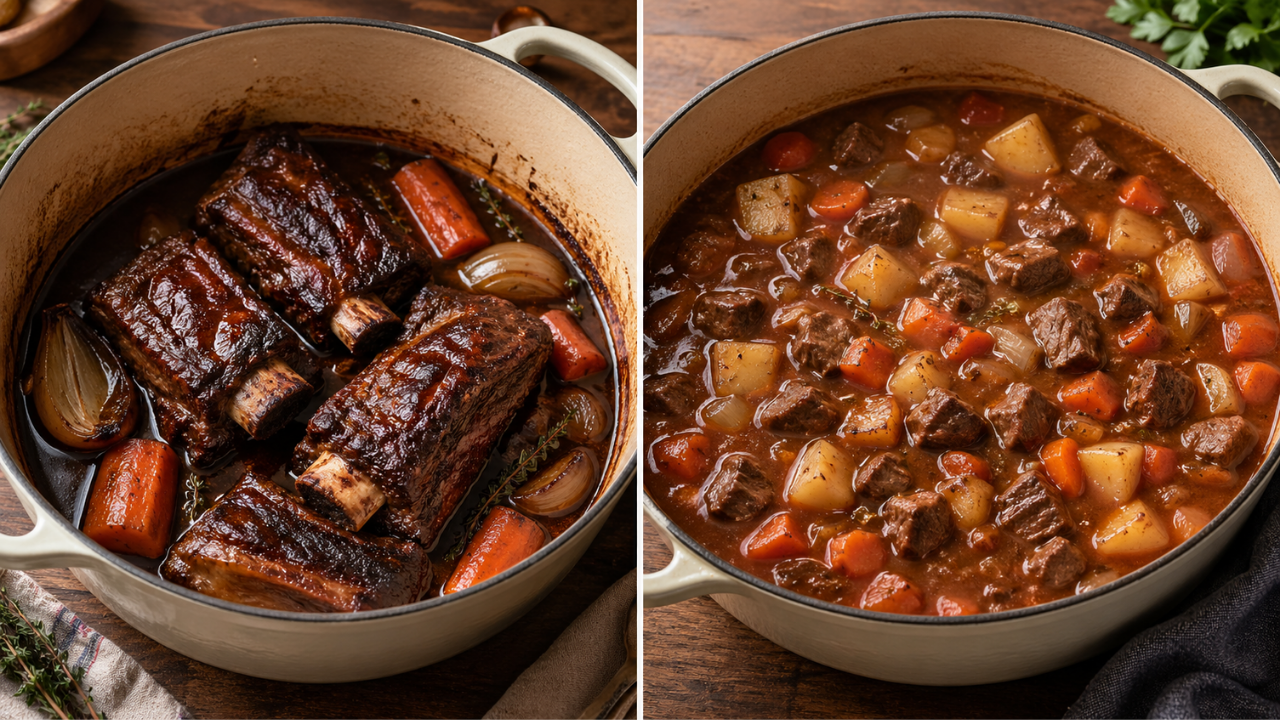
Braising and stewing both use gentle heat, moisture, and time to tenderize food. They are especially useful for tougher cuts of meat, dense vegetables, beans, and dishes that require slow, steady cooking rather …
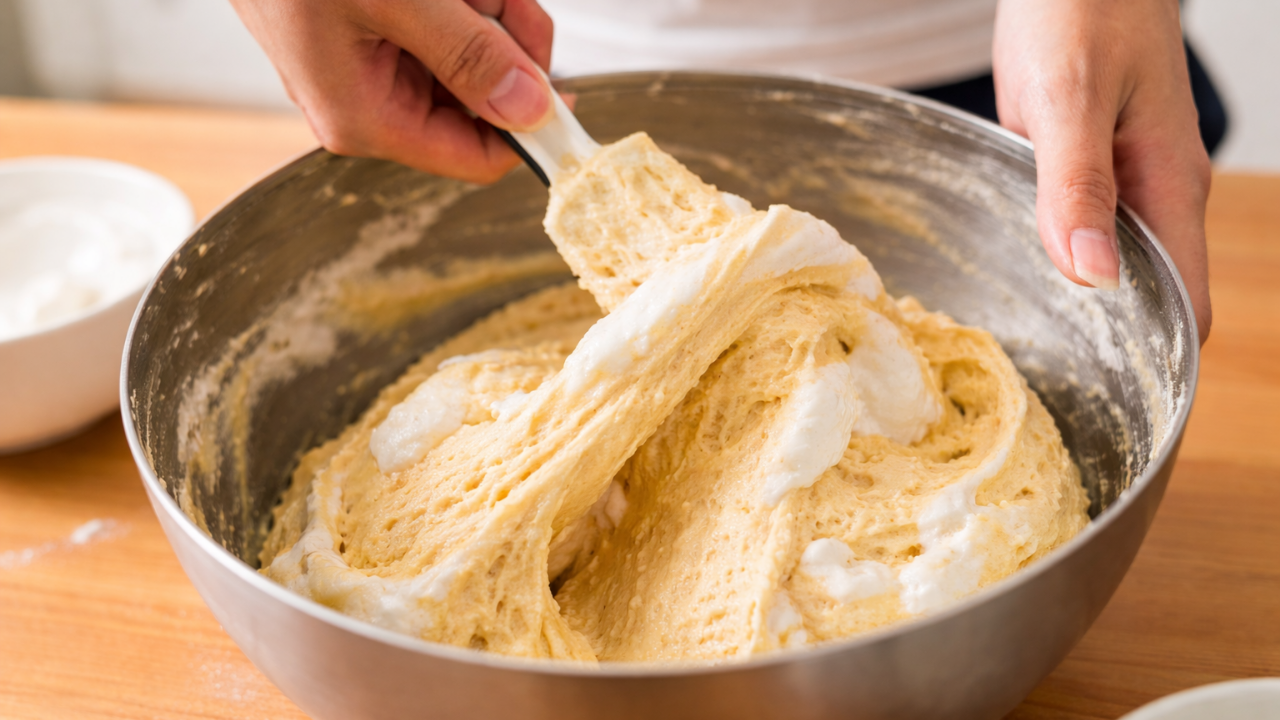
Recipes often use short instructions that describe specific kitchen techniques. One of the most common is the word fold. In baking, this instruction signals a specific way of combining ingredients that helps protect …
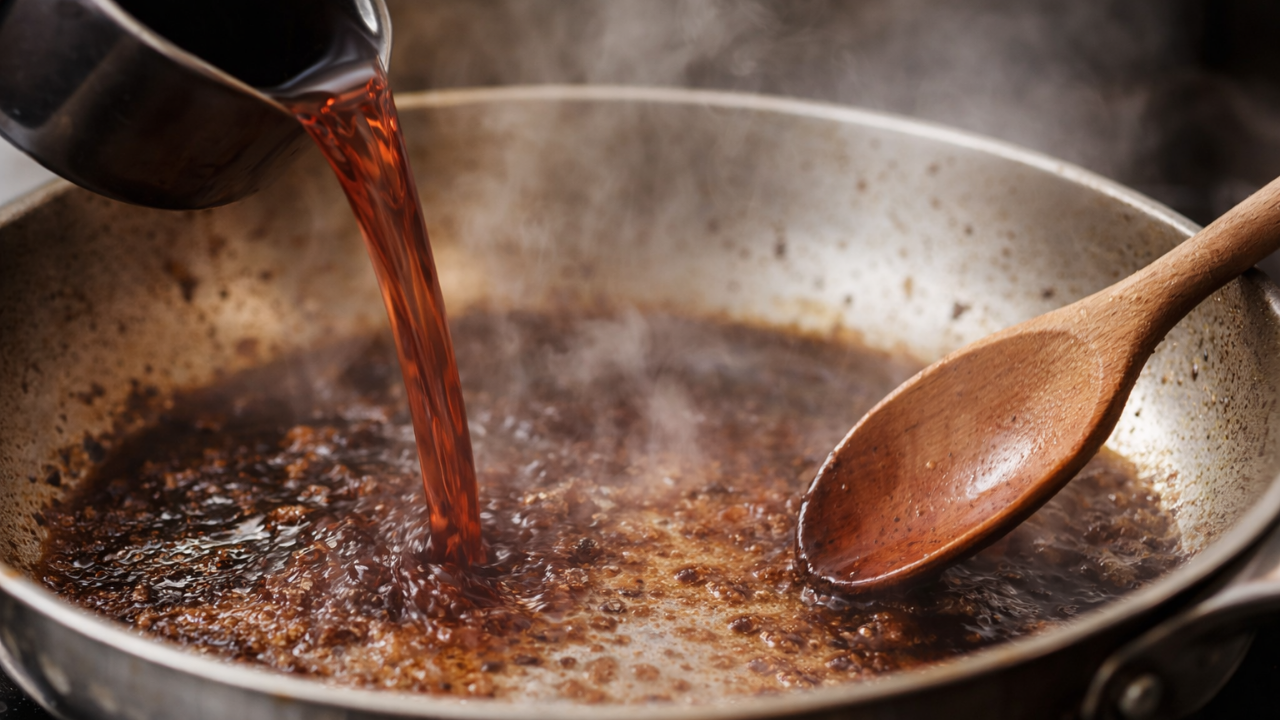
Deglazing is the technique of releasing the browned residue left in a pan after searing or sautéing. That residue holds concentrated flavor created during cooking. When captured properly, it becomes the base of …
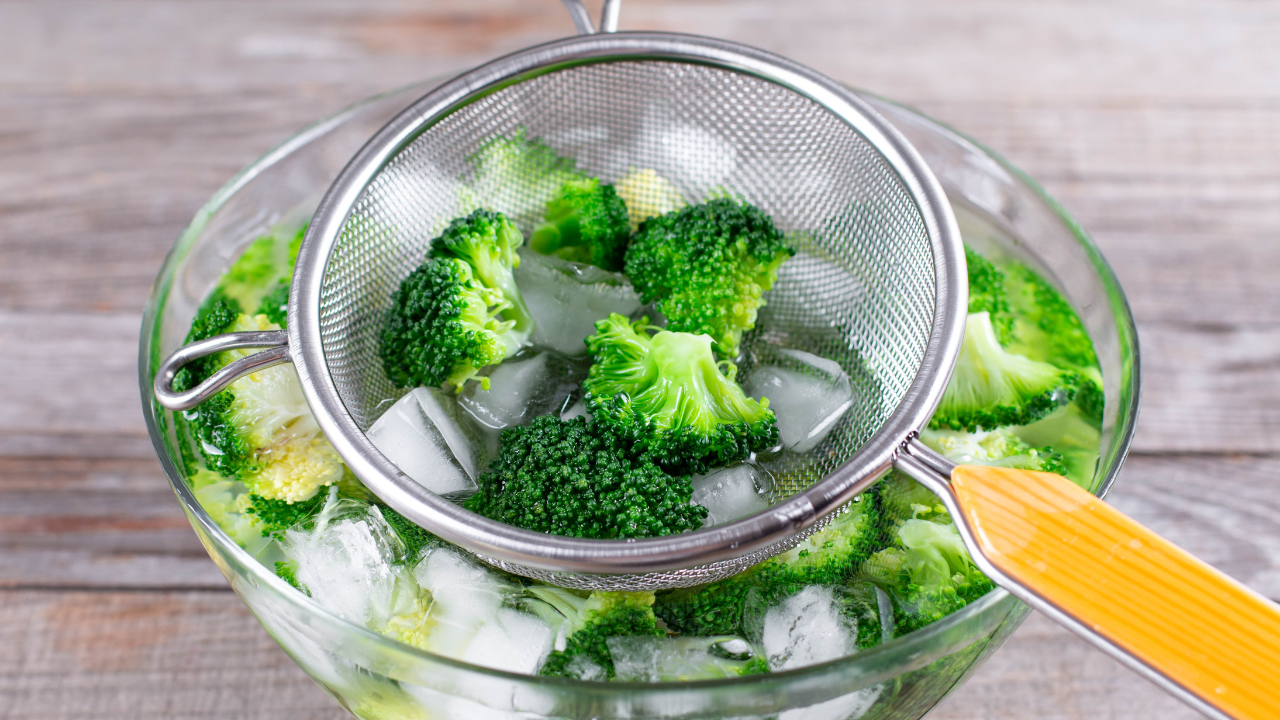
Blanching is a basic kitchen technique used to briefly cook food in boiling water, then quickly stop the cooking. It is often used in vegetable preparation, both in home kitchens and in professional …