
Practical Kitchen Education
Clear Technique. Better Cooking.
Practical kitchen guidance for home cooks who want to understand what works, why it works, and how to make better decisions while cooking. Build confidence and judgment with clear lessons on heat, timing, doneness, texture, seasoning, and technique.
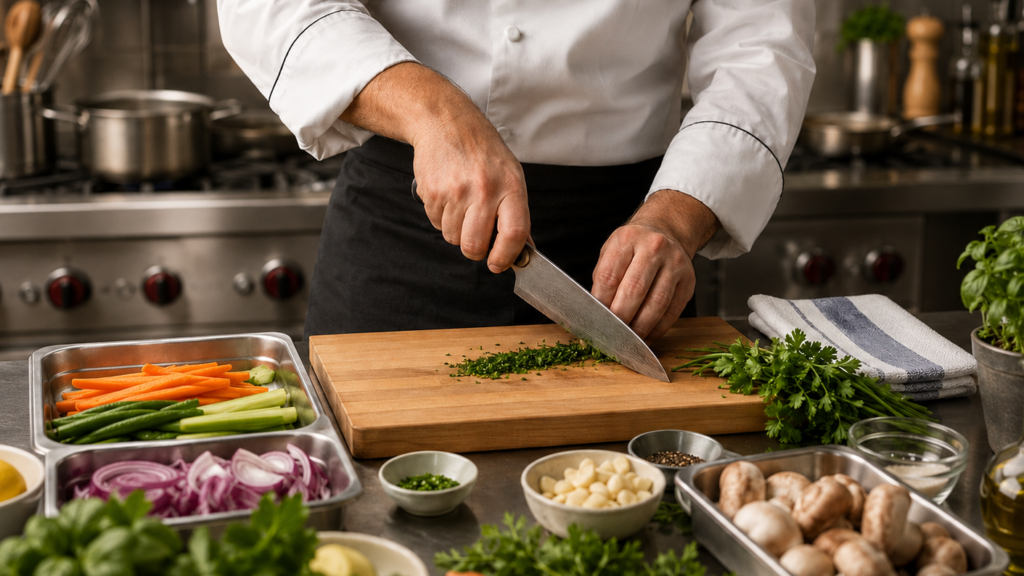
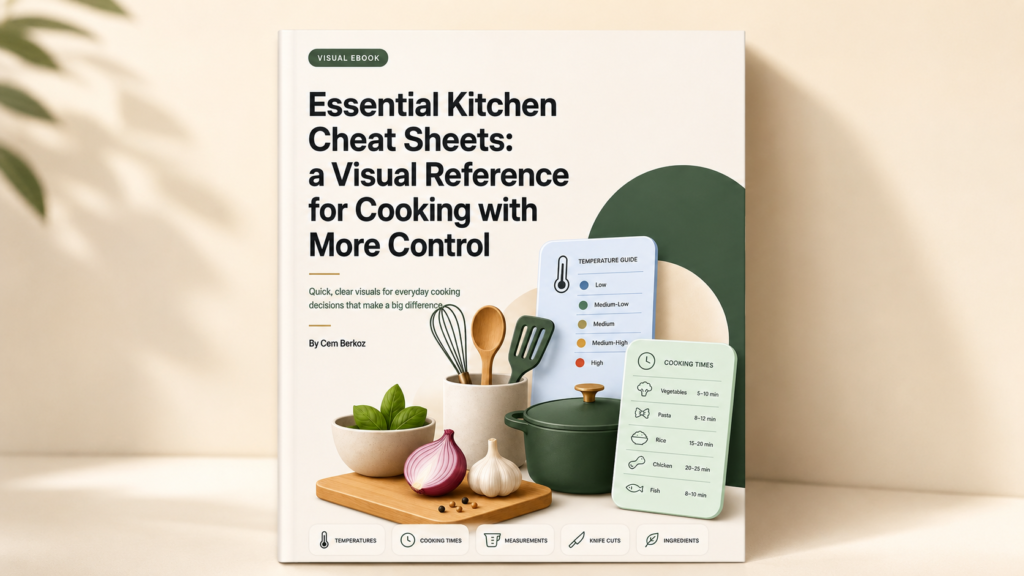
Get the Essential Kitchen Cheat Sheets
Download the free visual kitchen reference for quicker, more confident decisions about doneness, timing, heat, seasoning, sauces, substitutions, and everyday cooking fixes.
Start Learning
Choose where you want to begin.

Kitchen Know How
Focused cooking lessons that explain heat, timing, doneness, flavor, ingredients, tools, and everyday kitchen decisions.
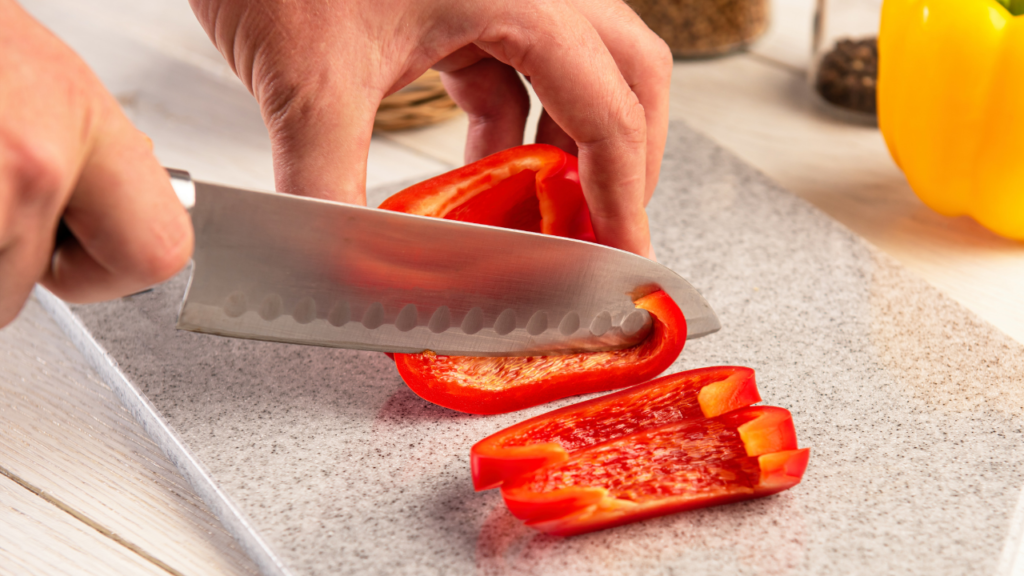
Chef Mark
Professional video demonstrations that show how techniques work and what to notice as they unfold.
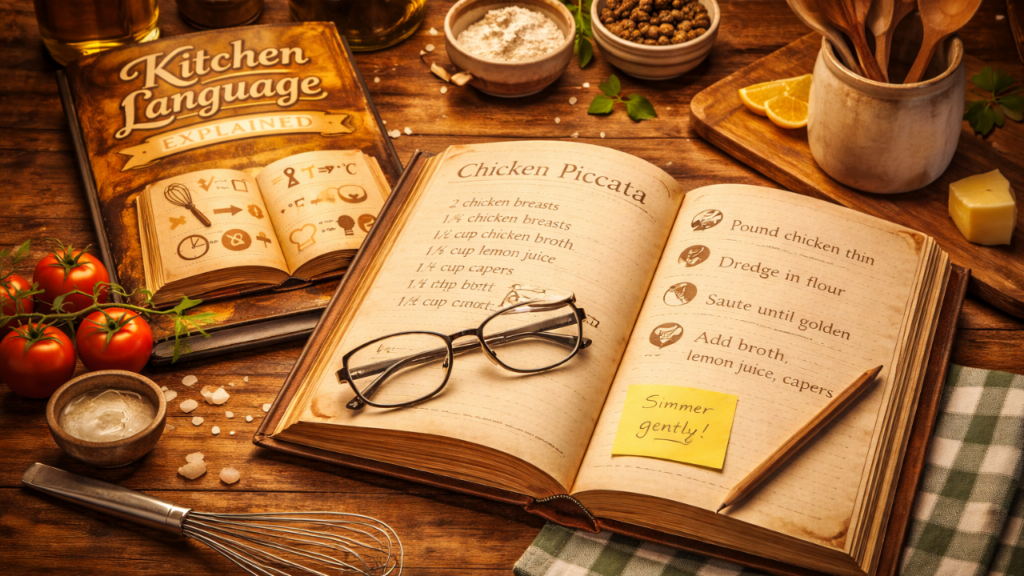
Books
Focused digital guides that bring essential cooking skills and principles together in one clear, practical resource.
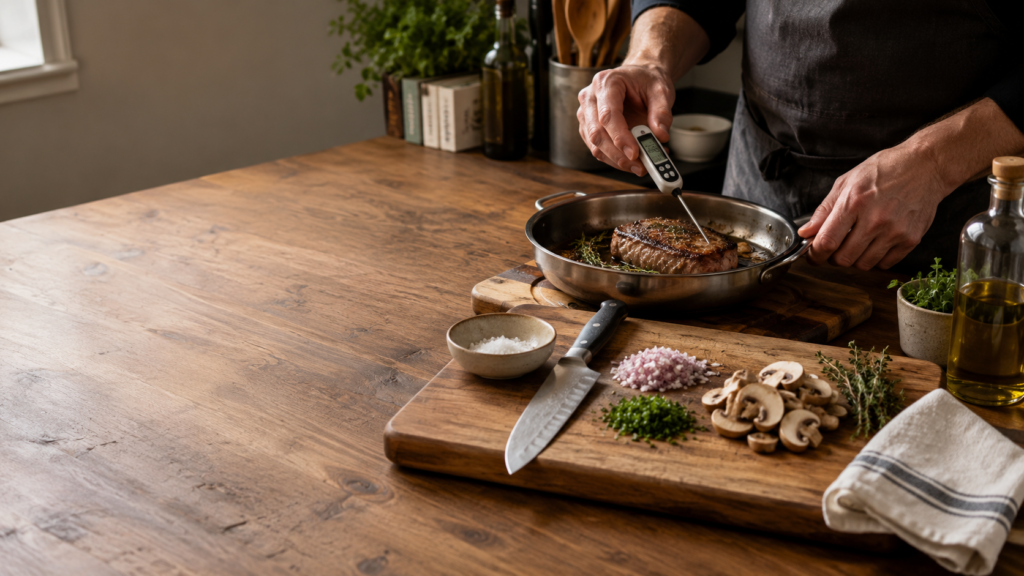
Latest from the Kitchen
Fresh cooking lessons on technique, ingredients, tools, and choices that build confidence in the home kitchen.
Latest from the Kitchen
Explore the newest cooking lessons, demonstrations, guides, and recipes from CemBerkoz.com.

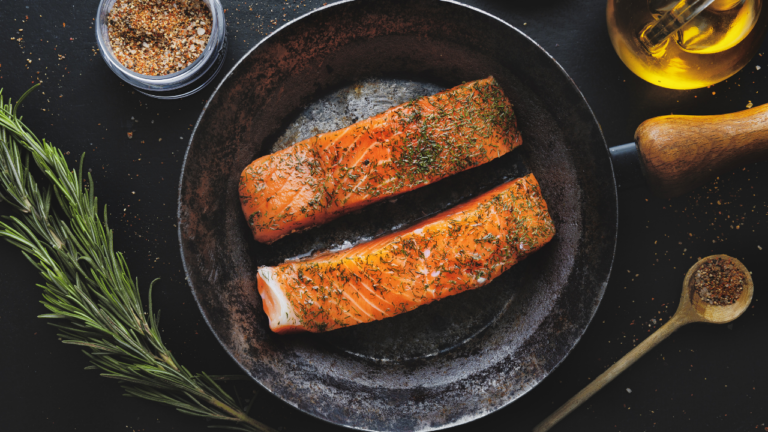
Why Sticking Is Often Part of the Cooking Process
Food sticking to a pan is not always a sign that something has gone wrong. In many cases, sticking is simply part of cooking. As…
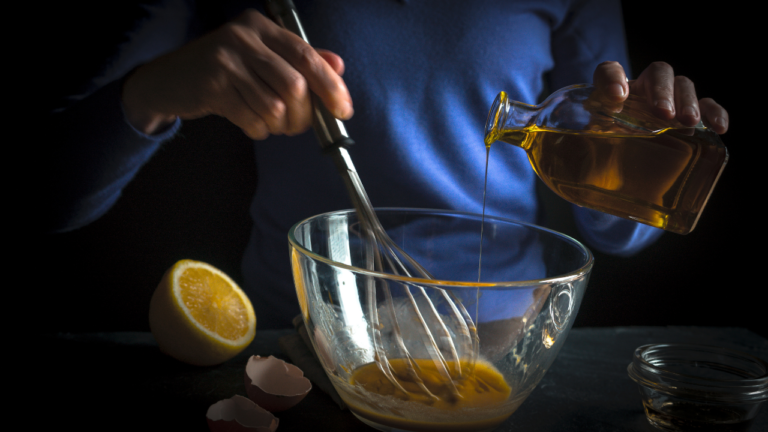
Read MoreEmulsification Explained: How Dressings and Sauces Stay Smooth
Emulsification Explained Vinaigrettes may separate during storage. Mayonnaise can turn thin and greasy. Butter sauces may lose their gloss and divide into distinct layers. Emulsification…
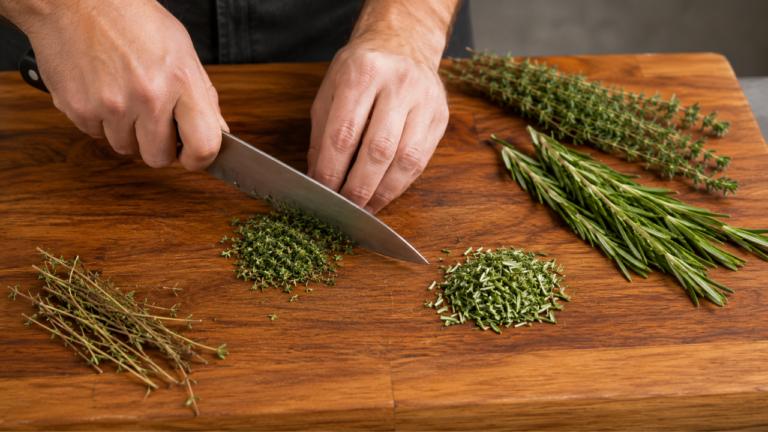
Read MoreHow to Chop Thyme and Rosemary with Better Control
Chopping fresh herbs is not just about making them smaller. It is about keeping the knife in control of the herb, not the other way…
Read MoreHow to Chop Parsley with Better Knife Control
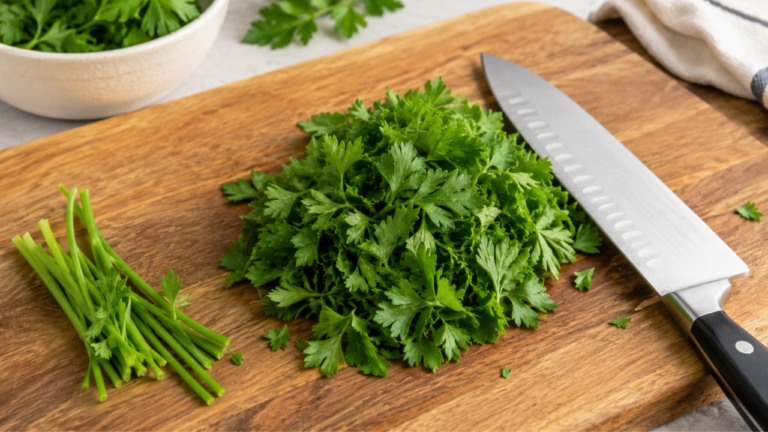
Fresh parsley looks simple until it scatters across your cutting board and ends up bruised, wet, and uneven. The fix is not about knife speed…
Read MoreCast Iron Care & Maintenance
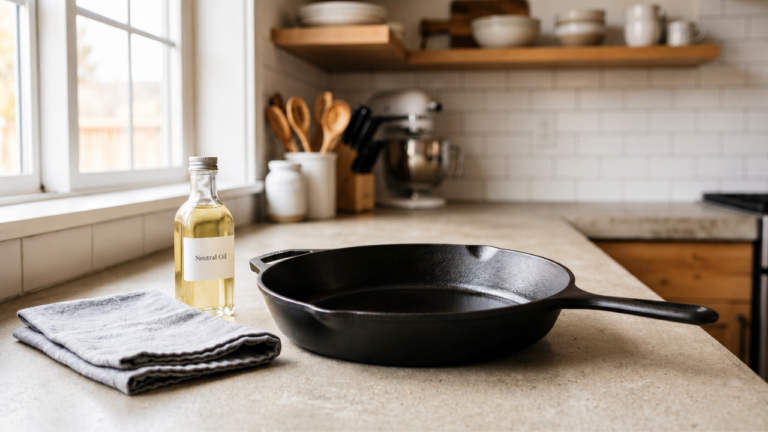
Cast iron is one of the most useful pans in the kitchen because it holds heat well, transfers easily from stovetop to oven, and helps…
Read MoreTypes of Sugar Explained: Granulated, Turbinado, and More
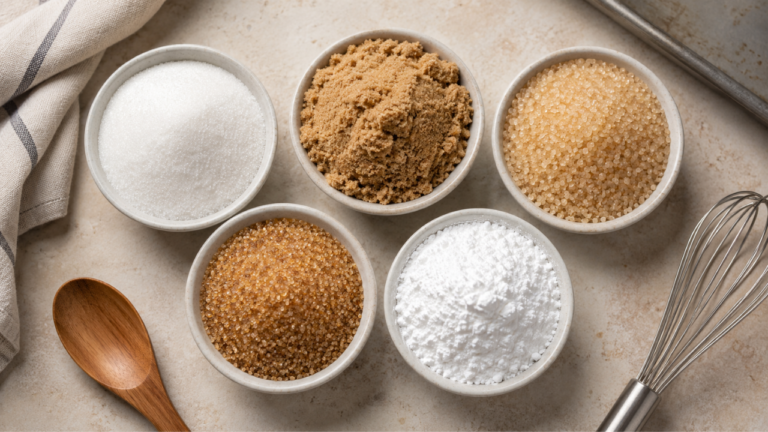
You sprinkle turbinado sugar into your cake batter and pull out something gritty. You swap brown sugar for white and wonder why the cookies feel…
Read More

Hi, I’m Cem. I’m not a chef; I’m a 30-year veteran of the restaurant industry, most of it spent at the pass, where I learned to read a dish by sight, timing, and instinct. CemBerkoz.com brings that awareness into your home kitchen.