
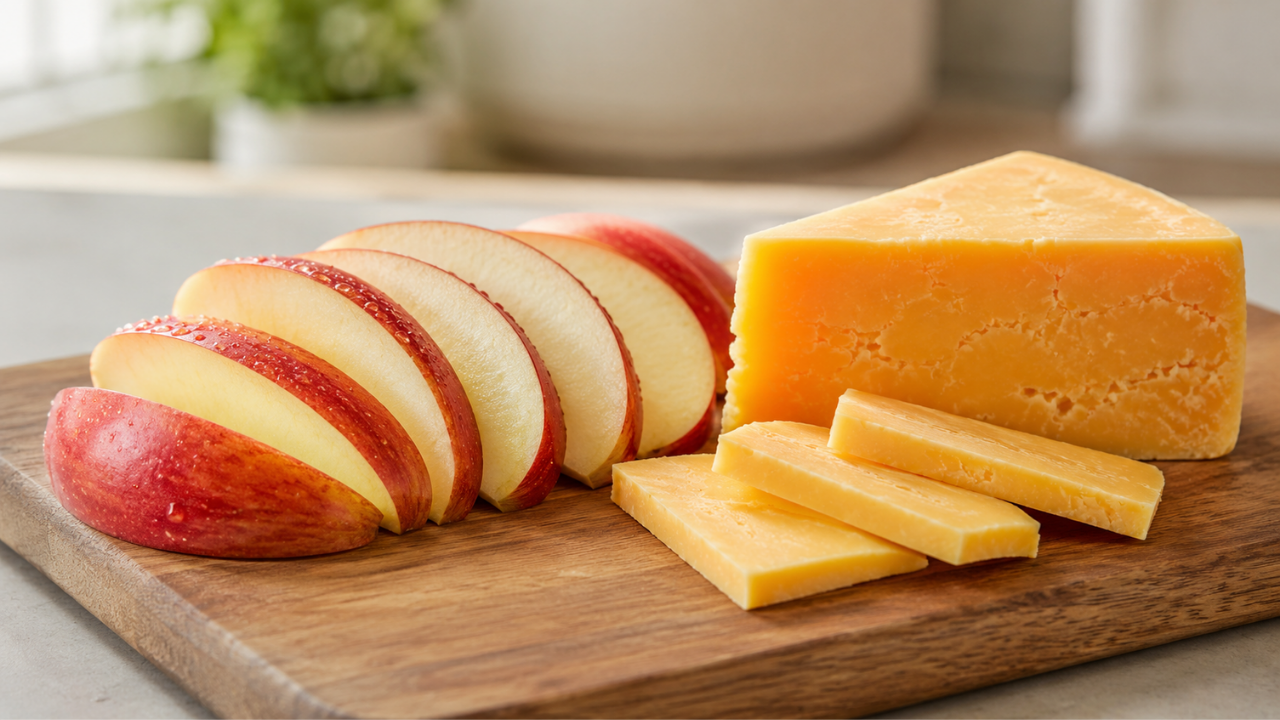
Apple and cheddar are a classic pairing because they teach a useful cooking principle: flavor often works best when ingredients bring different strengths to the same bite.
Apple brings sweetness, acidity, freshness, moisture, and crunch. Cheddar brings salt, fat, sharpness, richness, and savory depth.
Together, they create contrast. The apple keeps the cheese from feeling too heavy. The cheddar adds structure to the fruit, making the bite feel fuller.
Home cooks often see this combination on cheese boards, in sandwiches, in salads, in baked dishes, or served with apple pie. The setting changes, but the reason the pairing works stays the same.
Understanding this pairing helps you make better decisions about fruit, cheese, and other sweet-and-savory combinations. Instead of guessing whether two ingredients belong together, you can start looking at what each one contributes.
Why Apple and Cheddar Work Together
Apple and cheddar work together because they balance lift and weight. Apple provides lift. Cheddar provides weight. That is the central idea behind the pairing.
Apple gives the bite brightness, juice, and movement. Cheddar adds bite, richness, and depth. When the balance is right, neither ingredient feels separate. Each one makes the other easier to taste.
The apple helps by bringing:
- Sweetness
- Acidity
- Crunch
- Moisture
- A cleaner finish
The cheddar helps by bringing:
- Salt
- Fat
- Sharpness
- Richness
- Savory structure
This pairing is not just fruit placed next to cheese. It works when the contrast has a purpose.
The apple should not disappear under the cheddar. The cheddar should not flatten the apple. A good bite lets you notice both ingredients clearly.
How This Pairing Changes Flavor and Texture
The pairing works on two levels simultaneously: flavor and texture. The flavor contrast comes from sweetness, acidity, salt, fat, and sharpness. The texture contrast comes from crisp fruit against firm, creamy, or crumbly cheese.
A crisp apple refreshes the palate. That matters because cheddar can be dense, salty, and rich. The apple keeps the cheese from feeling too heavy. Cheddar changes the apple in the opposite direction. It makes the fruit taste less like a simple sweet snack and more like part of a composed bite.
When the pairing works, the bite feels:
- Crisp
- Rich
- Bright
- Savory
- Clean at the finish
Texture matters as much as flavor here. A firm apple gives snap and freshness. Cheddar gives resistance and richness. If either texture is weak, the pairing loses definition.
| The bite tastes dull | The apple lacks acidity or crunch | Use a crisper, brighter apple |
| The cheese disappears | The apple is too sweet or too dominant | Use sharper cheddar or thinner apple slices |
| The apple disappears | The cheddar is too strong or too thick | Use less cheese or a brighter apple |
| The bite feels heavy | There is not enough freshness | Add more apple or choose a tart variety |
The goal is not for one ingredient to take over. The goal is for the apple to lift the cheddar and the cheddar to ground the apple.
Where Apple and Cheddar Appear in Real Cooking
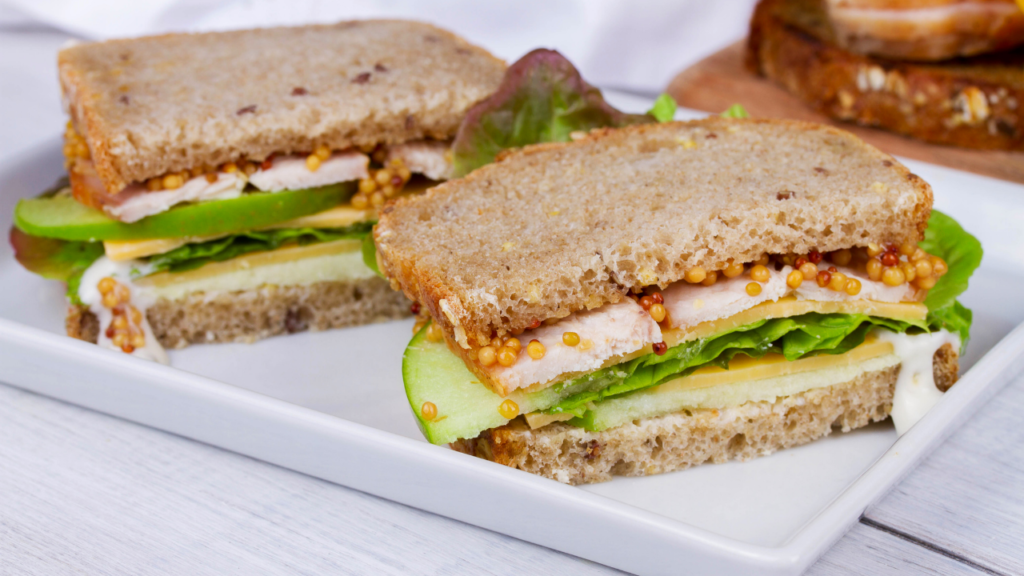
This combination shows up in different cooking contexts because the same balance works in more than one form.
On a cheeseboard, the pairing is direct. The apple cuts through the richness of the cheddar, giving the board a fresher rhythm. This is one of the clearest ways to understand the combination because nothing is hidden.
In sandwiches, apple adds crunch and acidity to a rich filling. This is especially useful when cheddar is melted, because melted cheese can feel heavier than sliced cheese.
In salads, apple gives freshness while cheddar adds body. The pairing can make a salad feel more complete without relying on a heavy dressing.
In baked dishes, apple and cheddar behave differently. Heat softens the apple and rounds the cheese, so the contrast becomes gentler. The same principle still applies, but the texture is less crisp and more integrated.
The same balance appears in other fruit and cheese pairings:
- Pear with blue cheese
- Fig with goat cheese
- Grapes with aged cheese
- Peach with fresh cheese
The ingredients change, but the pattern is similar. Fruit brings sweetness, moisture, and brightness. Cheese brings fat, salt, and depth.
The lesson is not only that apple and cheddar go together. The larger lesson is that fruit and cheese often work when sweetness, acidity, fat, salt, and texture are in balance.
How to Use Apple and Cheddar With Better Judgment
When you use apple and cheddar together, start with the apple. A good apple for this pairing should feel:
- Crisp
- Juicy
- Bright
- Clean on the finish
If the apple tastes soft, mealy, or dull, it will not refresh the cheddar. Then look at the cheese.
A good cheddar for this pairing should bring enough salt, sharpness, or savory depth to stand up to the fruit. Sharp cheddar often works best because it gives the bite more structure.
Thickness also changes the balance. Thin apple slices add freshness without taking over. They work well in sandwiches, salads, and cheese boards. Thicker apple pieces bring more crunch and juice. They work best when the cheddar has enough sharpness to keep up.
Thin cheddar slices keep the cheese controlled. This helps when the apple should stay clear and bright. Thicker cheddar pieces make the cheese more dominant. This can work with tart apples, but it can overpower sweeter or milder fruit.
A useful way to judge the bite is to ask what is missing.
- If it tastes dull, look for more sharpness or acidity.
- If it tastes heavy, use a brighter apple.
- If it tastes too sweet, use sharper cheddar.
- If it tastes too sharp, use a sweeter apple or milder cheddar.
- If one ingredient disappears, adjust the thickness or proportion.
The pairing works best when each ingredient has a clear role. The apple should refresh the bite. The cheddar should deepen it.
Mistakes That Make Apple and Cheddar Feel Unbalanced
Most problems with apple and cheddar come from weak contrast. The ingredients may be good on their own, but the bite can still fail if they do not support each other. Common mistakes include:
- Using an apple with little acidity.
- Using a soft or mealy apple.
- Choosing cheddar that is too mild.
- Cutting the cheese too thick.
- Letting too many extra ingredients compete.
- Serving the cheese too cold.
A very sweet apple can taste pleasant by itself, but it may not have enough brightness for cheddar. Without acidity, the cheese can feel heavier. A soft apple creates a different issue. It removes the crisp texture that makes the pairing feel fresh.
Cheddar can cause an imbalance, too. If it is too mild, it may not bring enough salt or depth. If it is very sharp and cuts too thick, it can overpower the fruit.
Extra ingredients can also blur the pairing. Nuts, honey, mustard, bread, herbs, and cured meats can all work, but they should complement the apple and cheddar rather than distract from them.
Temperature matters as well. Very cold cheddar can taste muted and firm. Letting it lose its refrigerator chill helps the flavor become clearer.
The correction is simple: protect the contrast. The apple needs freshness. The cheddar needs character. Everything else should support that balance.
Understanding Apple Types and Cheddar Styles
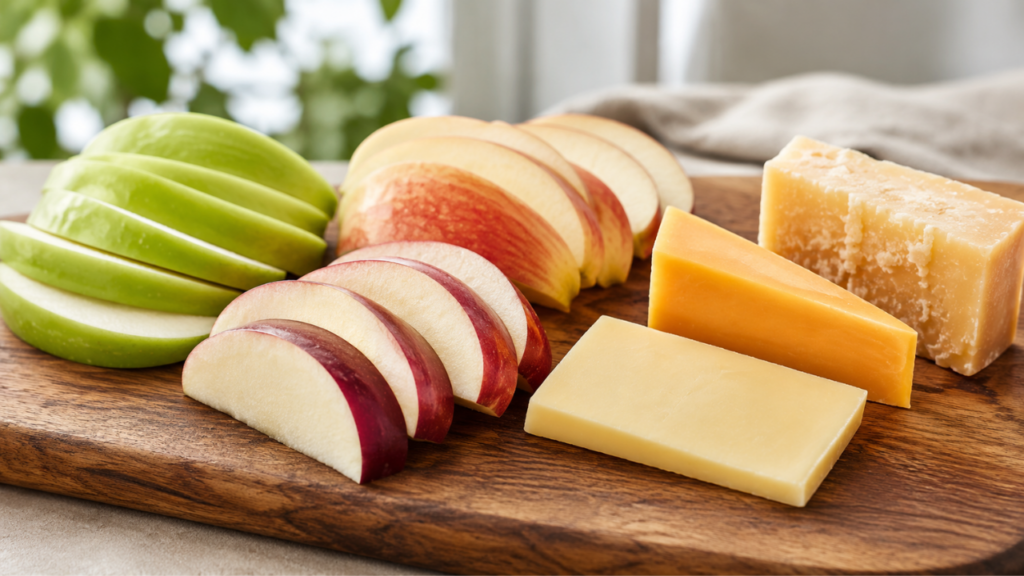
Not every apple works the same way with cheddar. Not every cheddar gives the same result. The balance changes depending on:
- Apple sweetness
- Apple acidity
- Apple firmness
- Cheddar sharpness
- Cheddar salt
- Cheddar age
- Slice thickness
A tart apple adds more lift to the pairing. It works well with sharp or aged cheddar because the fruit can stand up to the cheese.
A sweet, crisp apple adds a softer finish to the pairing. It can make sharp cheddar feel rounder, but it still needs crunch to keep the bite from becoming heavy.
Mild cheddar can work, but it needs the apple’s help. A tart apple adds more definition to mild cheddar.
Sharp cheddar gives the pairing a clearer savory edge. It is often the easiest style for home cooks to understand because the contrast is obvious.
Aged cheddar brings more intensity. It can be salty, nutty, crumbly, and concentrated. With aged cheddar, the apple usually needs more acidity and freshness.
| Tart crisp apple | Acidity, crunch, clean finish | Sharp or aged cheddar | Cheese thickness |
| Sweet crisp apple | Sweetness and freshness | Sharp cheddar | Too much sweetness |
| Mild apple | Gentle fruit flavor | Sharper cheddar | Lack of contrast |
| Soft apple | Muted texture | Not ideal | Dull finish |
| Mild cheddar | Creaminess and light salt | Tart apple | Flat flavor |
| Sharp cheddar | Salt, tang, depth | Tart or sweet crisp apple | Balance of thickness |
| Aged cheddar | Concentrated savory flavor | Tart crisp apple | Too much intensity |
The strongest pairing is not always the boldest apple with the boldest cheddar. It is the combination where both ingredients remain clear.
When Softer or Milder Pairings Make Sense
A crisp apple and sharp cheddar give the clearest contrast, but not every pairing needs to be intense. A softer version can make sense when the dish calls for a gentler bite. This may be useful for:
- Simple snack plates
- Lunch plates
- Delicate salads
- Mild sandwiches
- Baked dishes where heat softens the contrast
A sweet, crisp apple with mild cheddar can still work if the apple is sufficiently fresh and the cheese adds some salt. The result will be quieter, but it should not feel dull.
Milder cheddar can also make sense when other ingredients are already doing strong work. If a salad has vinaigrette, nuts, greens, mustard, or herbs, the cheese may not need to be very sharp.
In baked dishes, the apple becomes softer, and the cheese becomes more rounded. The contrast is less crisp, but the balance can still work through sweetness, salt, acidity, and richness.
Use the rest of the dish as your guide.
| If the Dish Is Like This | Better Choice | Why |
| The dish already has acidity | Use a sweeter or less tart apple | The pairing may not need extra sharpness |
| The dish already has salt | Use a milder cheddar | The cheese does not need to bring as much intensity |
| The dish feels rich | Use a crisper, brighter apple | Freshness helps keep the bite cleaner |
| The dish feels delicate | Use a younger cheddar | Aged cheddar may feel too strong or too heavy |
The core principle stays the same. Even a mild version needs contrast. The bite should still retain the apple’s freshness and the cheese’s richness.
Quick Takeaways
- Apple and cheddar work because apple gives lift, and cheddar gives weight.
- Apple brings sweetness, acidity, moisture, freshness, and crunch.
- Cheddar brings salt, fat, sharpness, richness, and savory depth.
- Crisp apples usually pair better than soft apples.
- Sharp cheddar usually gives the pairing more structure than mild cheddar.
- If the bite feels dull, look for more acidity, salt, or texture.
- If the bite feels heavy, the apple may not be doing enough work.
FAQs
These common questions help clarify how apple and cheddar work together, and how to adjust the pairing when the balance feels off.
Why do apple and cheddar taste good together?
Apple and cheddar taste good together because they balance each other. Apple brings sweetness, acidity, juice, and crunch. Cheddar brings salt, fat, sharpness, and savory depth. The apple keeps the cheese fresher. The cheddar makes the apple taste fuller.
What kind of apple works best with cheddar?
A crisp apple usually works best. Tart apples add brightness to the pairing. Sweet crisp apples give it a softer finish. The apple should feel firm and juicy. If it is mealy or dull, the pairing loses its freshness.
Is sharp cheddar better than mild cheddar with apples?
Sharp cheddar usually works better because it has more salt, tang, and depth. It gives the apple more structure. Mild cheddar can work with a tart apple, but the pairing will taste quieter.
Why is cheddar served with apple pie?
Cheddar balances the sweetness of apple pie with salt and richness. The cheese adds savory depth while the apple keeps the bite from feeling too heavy. The same balance applies whether the apple is fresh, baked, sliced, or folded into a dessert.
Can apple and cheddar work in salads or sandwiches?
Yes. In salads, apple adds crispness and acidity while cheddar adds body. In sandwiches, apple can lighten melted cheddar and keep the bite from feeling dense. Thin slices usually work best.
What makes apple and cheddar taste dull?
The pairing usually tastes dull when there is not enough contrast. That can happen when the apple is soft, the cheddar is too mild, or both ingredients are too gentle.
What other fruit and cheese pairings work this way?
Pear with blue cheese, fig with goat cheese, grapes with aged cheese, and peach with fresh cheese all use a similar idea. Fruit brings sweetness and moisture. Cheese brings salt, fat, and depth.
Kitchen Tools That Support Cleaner Pairings
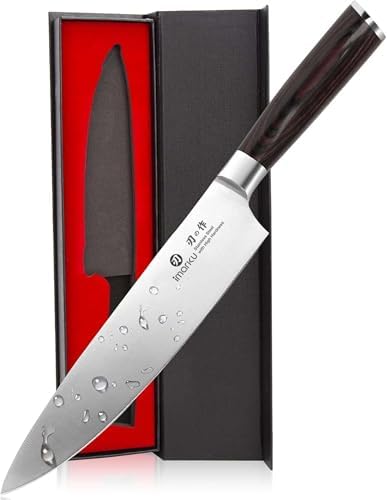
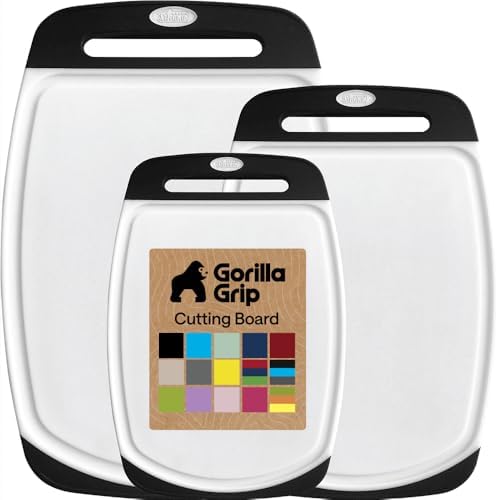

This concept does not require special equipment, but a few basic tools can help you control texture and proportion.
- Sharp chef knife: A clean knife helps you slice apples evenly so the texture feels consistent.
- Stable cutting board: A good board gives you enough space to cut apples safely and control thickness.
- Cheese plane or box grater: These tools help control how much cheddar lands in each bite. That matters because thickness changes the balance.
Build Better Pairings by Reading Balance
Apple and cheddar work because the bite has structure.
The apple brings sweetness, acidity, freshness, and crunch. The cheddar brings salt, fat, sharpness, and savory depth. When those qualities are balanced, the pairing feels clean, rich, and complete.
The useful lesson is bigger than this one combination. Once you understand why apple and cheddar work, you can start reading other pairings with more confidence.
Ask what each ingredient brings. Ask what the bite needs. Ask whether the contrast is clear. That is how simple combinations become easier to understand, adjust, and use in your own kitchen.
Explore more Kitchen Know How articles to keep building the way you read flavor, texture, and balance in cooking.