
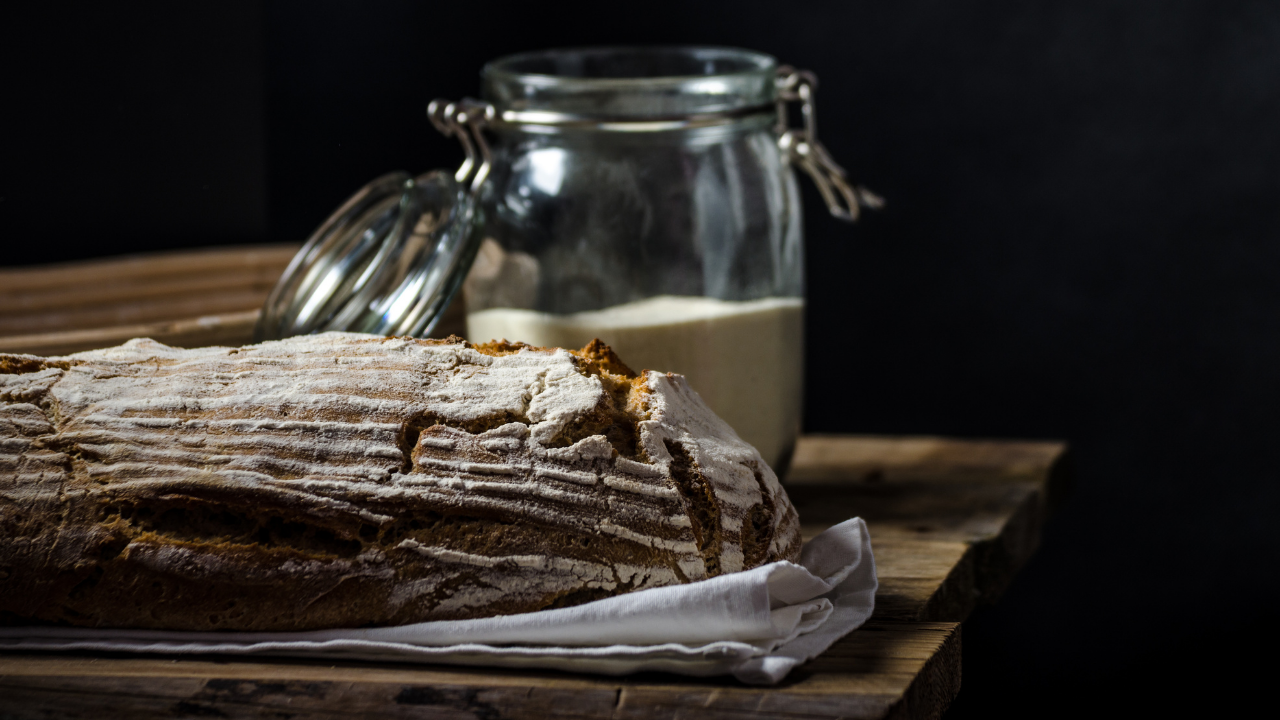
Sourdough is one of the oldest and most practical ways humans learned to make bread rise. Before commercial yeast became common, bread depended on natural fermentation: flour and water mixed with wild yeast and bacteria from the surrounding environment.
That simple process became a worldwide tradition because it worked across many places, grains, climates, and kitchens. It gave cooks a reliable way to turn basic ingredients into bread with structure, flavor, and keeping quality.
For today’s home cook, sourdough is more than a baking trend. It teaches some of the most important lessons in the kitchen: how fermentation works, how time alters food, and how to read dough rather than relying solely on a recipe clock.
Understanding why sourdough became so widespread helps make the process feel less mysterious. It shows that sourdough is not about chasing perfection. It is about learning how flour, water, temperature, and time work together.
What Sourdough Really Means
Sourdough is bread made through natural fermentation. Instead of relying only on commercial yeast, sourdough uses a living starter made from flour and water. Over time, that starter becomes active with wild yeast and lactic acid bacteria.
The wild yeast helps the dough rise. The bacteria help create acidity, aroma, flavor, and some of the structure that makes sourdough distinct. These two forms of activity work together, which is why sourdough develops differently from standard yeasted bread.
Sourdough does not mean the bread has to taste sharply sour. It also does not mean the process has to be complicated. At its core, sourdough is about controlling fermentation through time, temperature, flour, water, and starter strength.
That is the foundation. When those elements are balanced, sourdough becomes easier to understand. The cook is not just following a schedule. The cook is learning to read how the dough is behaving.
How Sourdough Changes Flavor, Texture, and Control
Sourdough changes bread because fermentation changes the dough before it ever reaches the oven. As the starter works through the flour and water, it creates gases, acidity, aroma, and structure. Those changes affect how the bread tastes, feels, and holds its shape.
The flavor is usually the first thing people notice. Sourdough can taste gently tangy, deeply wheaty, nutty, earthy, or slightly sweet depending on the flour, fermentation time, and starter activity. The point is not just sourness. The point is depth.
Texture changes, too. A well-managed sourdough can develop a stronger crust, a more open crumb, and a more satisfying chew. That texture comes from fermentation, gluten development, hydration, and proper timing working together.
This is where sourdough teaches control. The dough gives signals as it ferments. It expands, softens, strengthens, relaxes, and changes aroma. When you understand those cues, you can make better decisions about when to shape, proof, chill, or bake.
When sourdough is misunderstood, the results can become unpredictable. Under-fermented dough may bake up dense and tight. Over-fermented dough may feel weak, sticky, collapsed, or overly acidic. A starter that is not active enough may slow the entire process.
Understanding sourdough helps the home cook move beyond the recipe clock. Time still matters, but the dough matters more. That shift is what makes sourdough less intimidating and more useful as a cooking lesson.
Where Sourdough Appears Across Cooking Traditions
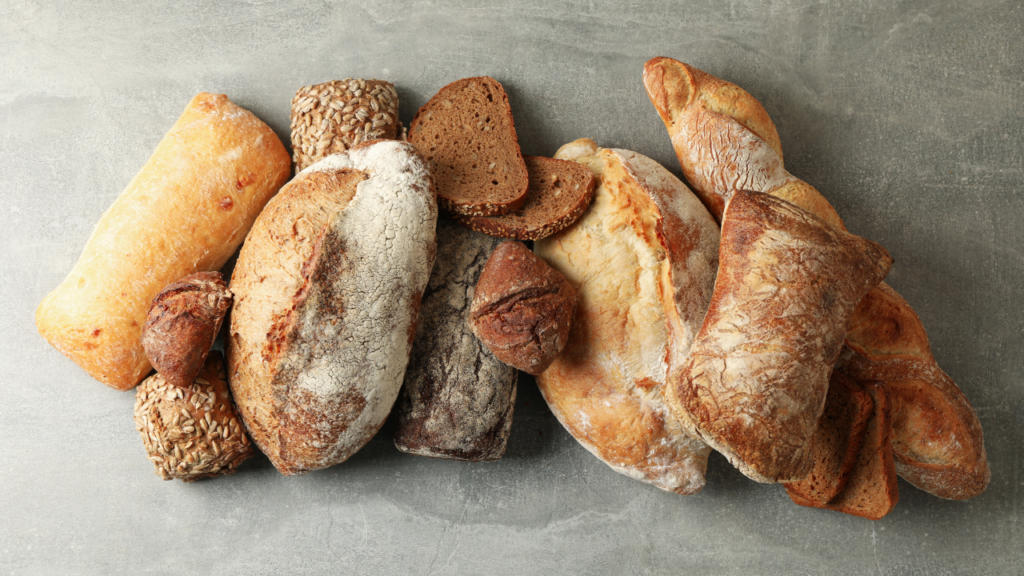
Sourdough became a worldwide tradition because natural fermentation was practical long before bread became standardized. Cooks did not need packaged yeast. They needed flour, water, time, and a way to carry active fermentation from one batch to the next.
That basic idea appears across many bread traditions. European country loaves, German rye breads, Middle Eastern flatbreads, Ethiopian injera, and other naturally fermented grain preparations all show the same larger principle: fermentation helps transform grain into food with better flavor, structure, and keeping quality.
The important lesson is not that every culture made the same kind of sourdough. They did not. Different grains, climates, ovens, and eating habits shaped different breads. Some were thick and crusty. Some were flat. Some were soft. Some were tangy. Some were mild.
What connects them is the cooking logic. Natural fermentation gave cooks a way to manage dough before modern yeast, refrigeration, and controlled kitchens. It helped bread rise, develop flavor, and become more dependable within local conditions.
For the home cook, this makes sourdough easier to understand. It is not one fixed style of bread. It is a method of using fermentation to make grain more useful, flavorful, and responsive to the kitchen you are cooking in.
Reading Sourdough Through Its Signals
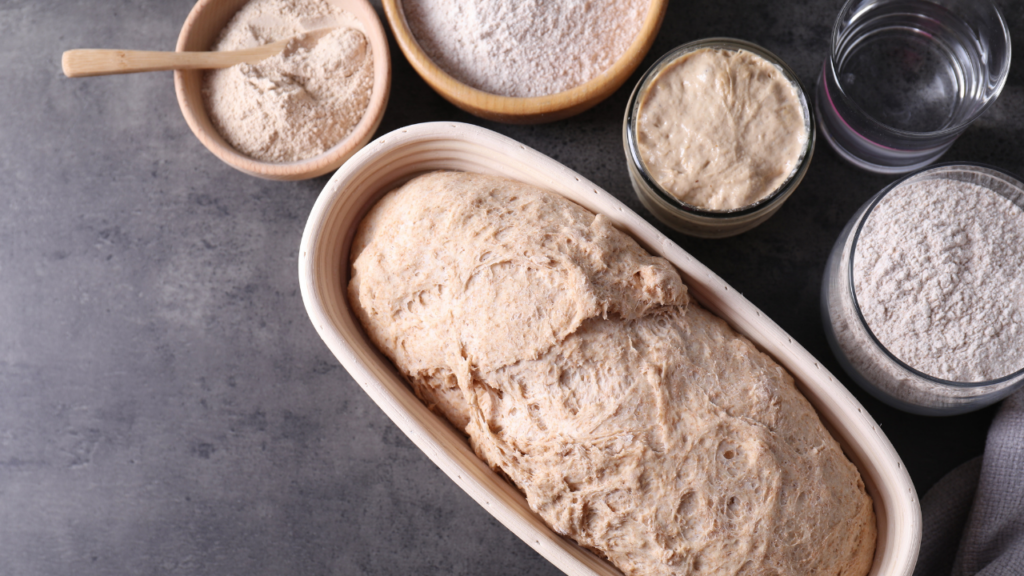
Sourdough becomes easier to manage when you stop treating it as a fixed schedule and start reading what the starter and dough are showing you. Time matters, but it is only one part of the process. The real control comes from observation.
Key Signals to Watch
- Starter rises predictably after feeding.
- Dough expands and feels lighter.
- Aroma smells clean, fermented, and mildly tangy.
- Surface shows some strength and tension.
- Dough relaxes without fully collapsing.
An active starter should show signs of life. It may rise after feeding, develop bubbles, smell pleasantly tangy or lightly fruity, and look aerated rather than flat and still. If the starter is sluggish, the dough will usually be sluggish too.
The dough also changes as fermentation develops. It should gradually expand, feel lighter, show some surface tension, and become more elastic. As it ferments, the dough may feel softer and more relaxed, but it should not feel completely loose, soupy, or collapsed.
Aroma is another useful cue. A balanced sourdough smells clean, fermented, mildly tangy, or grain-forward. If it smells sharply acidic, harsh, or overly alcoholic, it may need feeding adjustment, a shorter fermentation window, or a cooler environment.
When something seems off, respond to the dough instead of forcing the recipe forward. If the dough is dense and tight, it may need more fermentation time. If it is spreading, sticky, and losing strength, it may have gone too far. If the starter is weak, strengthen it before expecting the dough to perform well.
This is the main kitchen lesson sourdough teaches. Better bread comes from learning the signs of fermentation, then making small adjustments with time, temperature, and handling.
Misunderstandings That Make Sourdough Feel Harder
Sourdough often feels difficult because home cooks expect it to behave like a standard yeast dough. A commercial yeast dough usually follows a more predictable schedule. Sourdough is more responsive to the condition of the starter, the room temperature, the flour used, and how long the dough has been fermenting.
One common misunderstanding is that sourdough must taste sharply sour. It does not. Some sourdough breads are mild, balanced, and grain-forward. The sour flavor depends on fermentation time, temperature, starter condition, flour type, and how the dough is handled.
Another mistake is relying too heavily on the clock. A recipe may say the dough needs four hours, but that does not mean every dough will be ready in four hours. A warm kitchen can speed fermentation. A cool kitchen can slow it down. The dough’s expansion, feel, and strength matter more than the exact time.
Many home cooks also assume that an active starter is always ready because it has bubbles. Bubbles are helpful, but they are not the only sign. A starter should rise reliably after feeding, smell clean and fermented, and have enough strength to help the dough expand.
It is also easy to confuse sticky dough with failed dough. Sourdough can feel tacky due to hydration, flour type, and fermentation. The question is whether the dough still has strength. If it stretches, holds some shape, and responds to handling, it may simply need careful technique rather than more flour.
The correction is simple: treat sourdough as a living process. Watch the starter. Read the dough. Adjust for temperature. Use the recipe as a guide, but let the dough confirm when it is ready.
A Simple Comparison Between Yeasted Bread and Sourdough
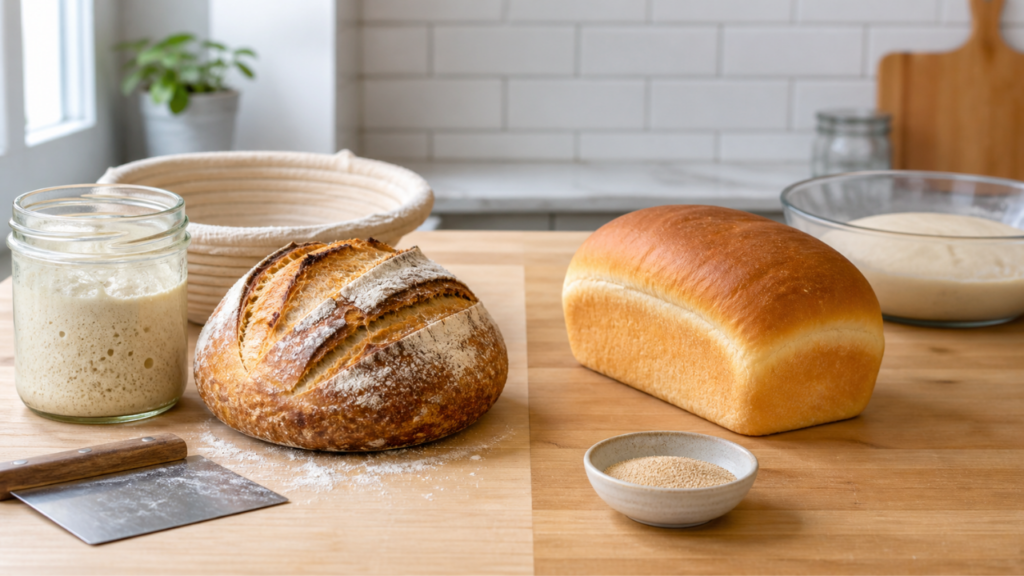
Commercial yeast bread and sourdough both rely on fermentation, but they do not ask the cook to manage the process in the same way. Understanding that difference helps explain why sourdough became its own tradition instead of just another bread style.
Commercial yeast is more concentrated and predictable. It is designed to make dough rise efficiently, which is why many yeast breads can follow a more direct schedule. The flavor can still be excellent, but the process is usually built around speed, consistency, and convenience.
Sourdough works more gradually. The starter contains wild yeast and lactic acid bacteria, so the dough develops through a slower, balanced rise, acidity, aroma, and structure. That slower process gives sourdough much of its character, but it also means the cook has to pay closer attention.
| Commercial yeast bread | Packaged yeast | Time, dough expansion, proofing | Faster rise and more predictable timing |
| Sourdough bread | Wild yeast and bacteria in the starter | Starter strength, dough feel, aroma, expansion, temperature | Slower fermentation with deeper flavor and more variation |
Neither method is automatically better. They simply teach different lessons. Commercial yeast teaches timing and proofing in a more controlled way. Sourdough teaches observation, patience, and adjustment.
That difference helps explain why sourdough lasted across so many kitchens. It was not only a way to make bread rise. It was a practical system that allowed cooks to carry fermentation forward, adapt to local conditions, and build flavor from simple ingredients.
When Sourdough Needs Adjustment
Sourdough is built on a clear principle, but it does not behave the same way in every kitchen. The starter, flour, water, room temperature, and fermentation time all affect how the dough develops. That is why good sourdough depends on adjustment, not just repetition.
A warm kitchen usually speeds fermentation. The starter may peak faster, and the dough may rise more quickly than expected. In that situation, the cook may need to shorten the fermentation window, handle the dough sooner, or use cooler water to slow the process down.
A cool kitchen usually slows fermentation. The starter may take longer to become active, and the dough may need more time before it shows proper expansion and strength. In that case, the cook may need to wait longer, use slightly warmer water, or place the dough in a warmer part of the kitchen.
Flour also changes the result. Whole-grain flours often ferment more actively and absorb more water. White bread flour may give more strength and structure. Rye can make dough feel stickier and behave differently because it does not form gluten as wheat flour does.
Starter strength matters as much as the recipe. A weak starter can make the dough slow, dense, or flat, even when the instructions are followed correctly. A strong starter gives the dough better lift, better fermentation, and more predictable development.
The judgment call is knowing when to adjust without overcorrecting. If the dough is moving slowly but still gaining strength, give it more time. If it is rising quickly and starting to weaken, move to the next stage sooner. If the starter is not reliable, fix the starter before blaming the dough.
This is why sourdough became a tradition rather than a single fixed formula. It teaches cooks to work with their own conditions. The method stays the same, but the timing and handling change with the kitchen.
| Kitchen Condition | What Usually Happens | How the Cook Responds |
| Warm kitchen | Fermentation moves faster | Shorten the timing or use cooler water |
| Cool kitchen | Fermentation slows down | Wait longer or use slightly warmer water |
| Weak starter | Dough rises slowly or feels dense | Strengthen the starter before baking |
| Whole grain flour | Dough may ferment faster and absorb more water | Watch hydration and fermentation closely |
| Rye flour | Dough may feel stickier and less elastic | Expect less gluten strength than wheat dough |
Quick Takeaways
- Sourdough is a natural fermentation system, not just a flavor style.
- Its worldwide tradition grew from practicality, adaptability, and repeatable results.
- Time, temperature, flour, water, and starter strength all shape the final bread.
- A recipe gives direction, but the starter and dough give the real signals.
- Understanding sourdough helps home cooks make better decisions with any fermented dough.
FAQs
Is sourdough always supposed to taste sour?
No. Sourdough can be mild, gently tangy, or more pronounced depending on how it is fermented. The flavor comes from the balance of wild yeast, bacteria, flour, time, and temperature.
A very sour loaf is only one style. Many sourdough breads are more grain-forward, nutty, or lightly acidic rather than sharply sour.
Why did sourdough become common in so many cultures?
Sourdough became common because it was practical. Before packaged yeast was available, natural fermentation gave cooks a reliable way to make bread rise and develop flavor.
Different cultures adapted the same basic principle to local grains, climates, ovens, and eating habits. That is why sourdough appears in many forms rather than one single bread style.
Is sourdough harder than regular yeast bread?
Sourdough is not necessarily harder, but it asks for more observation. Commercial yeast is more predictable and usually works on a shorter schedule.
Sourdough depends on starter strength, room temperature, flour choice, and fermentation time. Once you understand those signals, the process becomes easier to manage.
What makes a sourdough starter active?
An active starter usually rises after feeding, shows bubbles, smells clean and fermented, and has enough strength to help the dough expand.
Bubbles alone are not always enough. A starter should also rise reliably and show consistent activity after regular feedings.
Why does sourdough timing change from kitchen to kitchen?
Sourdough timing changes because fermentation responds to temperature, flour, water, starter strength, and dough size.
A warm kitchen can speed up the process. A cool kitchen can slow it down. That is why the dough’s condition matters more than the exact number of hours in a recipe.
Can sourdough be made with different grains?
Yes. Sourdough can be made with different grains, but each grain behaves differently.
Wheat flour can build gluten and structure. Whole-grain flour often ferments more actively and absorbs more water. Rye can make dough stickier and denser because it behaves differently from wheat dough.
What should home cooks watch for before baking sourdough?
Look for dough that has expanded, feels lighter, shows some strength, and has a clean fermented aroma.
If the dough is dense and tight, it may need more time. If it is loose, sticky, collapsed, or overly acidic, it may have gone too far. The goal is to read the dough before committing it to the oven.
Kitchen Tools That Support Sourdough
Sourdough does not require a complicated setup, but a few tools make the process easier to observe and control. The goal is not to buy more equipment. The goal is to make fermentation, dough handling, and baking more consistent.
Clear Container
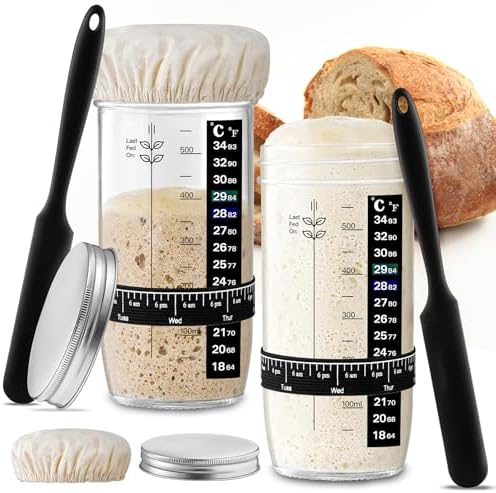
- 【Ideal Starter Kit】- This sourdough starter kit are specially designed to make the starter process easier, and this sour…
- 【Large Capacity & Quality Glass Jar】- This 24 oz sour dough maker jar is large enough to provide sourdough starter for 3…
- 【Easy to Use & Measurement】- Wide mouth jar for easy add flour and water and remove the starter when needed, and easy st…
A clear container helps you see how much the starter or dough has expanded. This makes fermentation easier to judge because you are not relying only on time.
Look for:
- Straight sides, so the rise is easier to measure
- Enough room for expansion
- A lid that covers without sealing too tightly
This is especially useful for starter care and bulk fermentation. When you can see the rise clearly, you can make better decisions about feeding, waiting, shaping, or baking.
Digital Kitchen Scale

- 𝗘𝗳𝗳𝗼𝗿𝘁𝗹𝗲𝘀𝘀 𝗪𝗲𝗶𝗴𝗵𝗶𝗻𝗴: Supports 5 units (oz/lb:oz/fl’oz/g/mL), tare function, and includes 2 AAA batteries for hassle-free…
- 𝗣𝗿𝗲𝗰𝗶𝘀𝗲 𝗥𝗲𝘀𝘂𝗹𝘁𝘀: Accurately weighs up to 11 lb/5 kg with 1 g increments
- 𝗦𝗶𝗺𝗽𝗹𝗲 & 𝗖𝗼𝗺𝗽𝗮𝗰𝘁: The small and sleek scale is a perfect fit for most kitchens, occupying little space and easily storab…
A digital kitchen scale supports consistency. Sourdough depends on the relationship between flour, water, starter, and salt. Measuring by weight gives you a clearer starting point than measuring by volume.
Useful for:
- Repeating a dough that worked well
- Understanding hydration changes
- Reducing guesswork between batches
This matters because small changes in hydration can change how the dough feels. A scale helps you repeat what worked and understand what changed when something feels different.
Bench Scraper

- Thickened stainless steel – This bench scraper is made of thickened stainless steel, non-reactive, rust free, hygienic a…
- Precision Beveled Edge: Made of knife grade steel, the edge is beveled precisely, balanced sharpness is convenient for s…
- Firm grip – ergonomic and comfortable non-slip wooden handle. Great for scraping up food ingredients to easily transfer …
A bench scraper helps with handling soft, fermented dough. Instead of pulling or tearing the dough with your hands, you can lift, divide, move, and shape it more cleanly.
Useful for:
- Moving dough without deflating it too much
- Dividing dough cleanly
- Keeping the work surface organized
This is helpful when the dough is tacky or delicate. Better handling helps preserve structure, which is especially important after fermentation has developed.
Dutch Oven or Covered Bread Baker


A Dutch oven or covered bread baker helps trap steam during the early stage of baking. That steam supports oven spring, crust development, and a more even loaf shape.
Useful for:
- Creating a steamy baking environment
- Supporting better crust formation
- Helping the loaf expand before the crust sets
This tool does not replace good fermentation, but it can help the dough bake in a more controlled environment. If the dough has been properly fermented and shaped, a covered baking vessel helps the loaf expand before the crust firms.
Closing the Sourdough Lesson
Sourdough became a worldwide tradition because it gave cooks a practical way to manage fermentation with simple ingredients. Flour, water, time, and temperature could become bread when the cook understood how to carry the process forward.
That is still the lesson for home cooks today. Sourdough is not only about making one style of bread. It is about learning how dough changes, how fermentation builds flavor and structure, and how small adjustments affect the final result.
When you understand those signals, sourdough becomes less mysterious. You begin to see it as a responsive process instead of a rigid formula.
To keep building that understanding, explore more Kitchen Know How articles on fermentation, dough, and bread baking.