
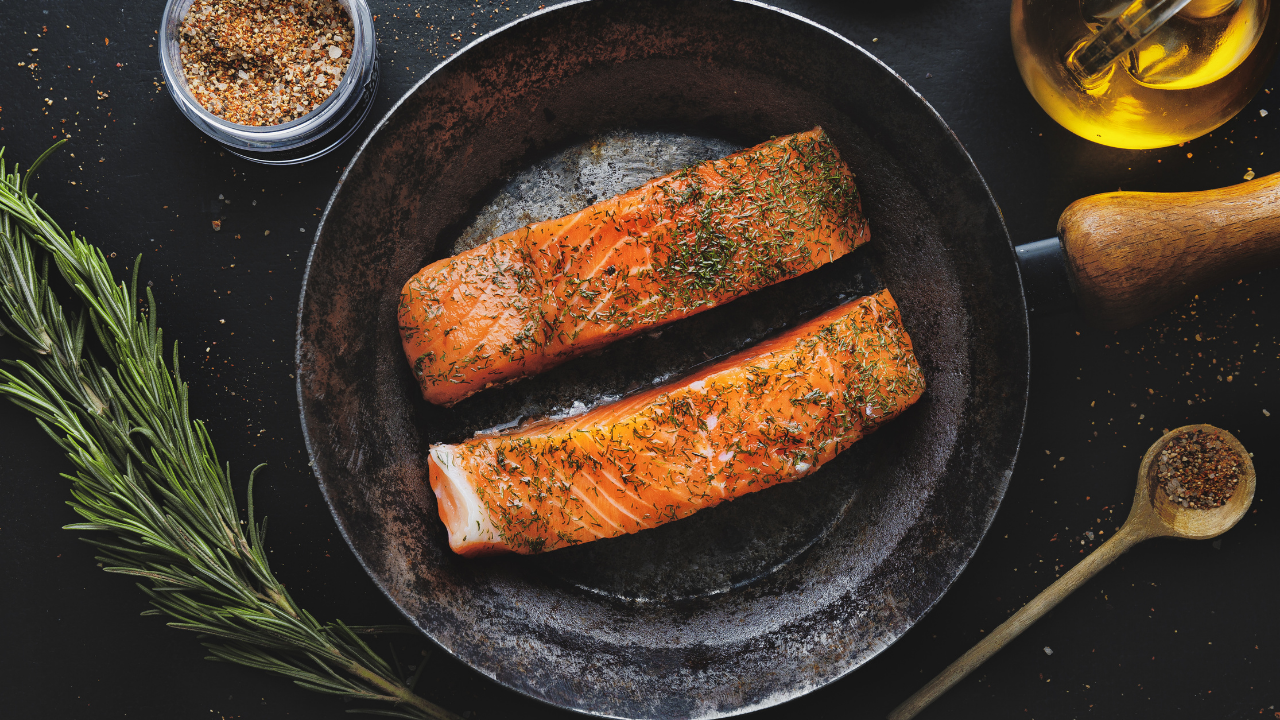
Food sticking to a pan is not always a sign that something has gone wrong. In many cases, sticking is simply part of cooking. As food heats, its surface changes. Moisture moves, proteins firm, and browning begins. During that transition, the food may grip the pan before it becomes easier to lift.
This matters because moving food too soon can damage the surface you are trying to develop. Fish can tear. Meat can lose part of its crust. Delicate foods can break apart before they have had time to set.
The useful question is not always, “How do I stop this from sticking?” Sometimes the better question is, “Is it ready to release?” Learning to recognize that difference makes pan cooking more predictable.
Food Releases When the Surface Has Changed Enough
Sticking happens when the food’s surface makes close contact with the pan before it has cooked enough to become stable. Early in cooking, the outer layer of many foods is still soft and moist. Proteins have not fully firmed, surface moisture is still being driven away, and browning has not developed enough to create a stronger exterior.
As cooking continues, moisture decreases, proteins set, and browning develops. The surface becomes firmer and more cohesive, which often allows the food to release more easily.
That is why initial sticking does not automatically mean the pan, temperature, or technique is wrong. The important distinction is between temporary adhesion that eases as the surface cooks and persistent sticking that continues even after the surface has developed.
Waiting for Release Protects Browning and Structure
Leaving food in contact with the pan gives the surface time to brown and firm into one intact layer. Moving it too soon interrupts that process. If part of the surface is still attached, lifting or turning the food can pull the developing crust away. Fish may tear, and browned bits of meat may stick to the pan instead of the food.
Repeatedly shifting the food can also interrupt steady contact with the pan and make browning less even. Patience here does not mean following a fixed cooking time. It means giving the surface time to develop before moving the food.
Different Foods Show the Same Release Principle Differently
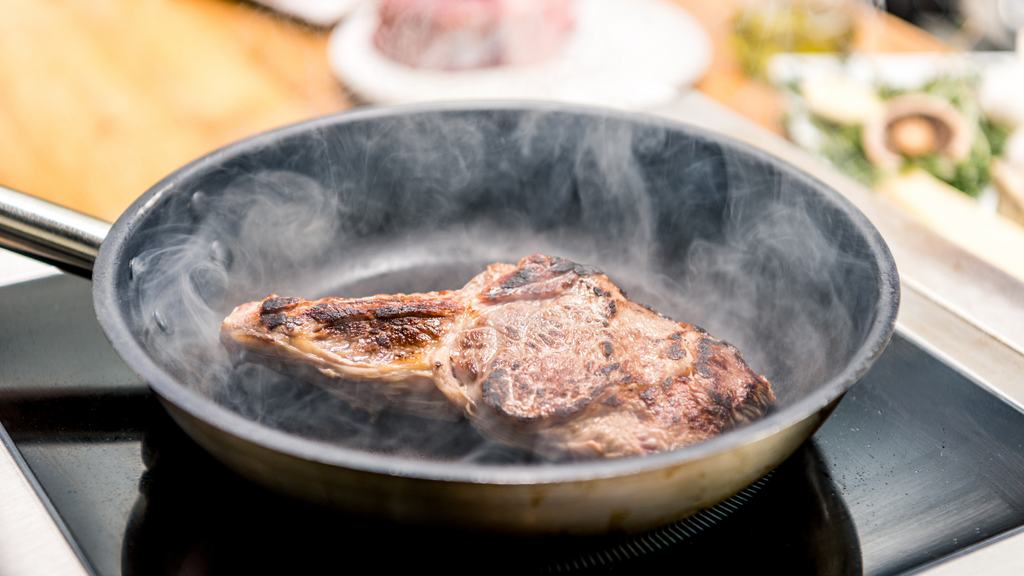
The basic release principle is consistent, but it doesn’t look the same with every food. Fish, meat, and poultry can all grip the pan early in cooking. As their surfaces firm and brown, that grip often weakens.
With steak or chicken, early sticking may mean the exterior is still developing. These foods generally have enough structure to tolerate gentle testing. Fish makes premature movement easier to notice. Its flesh is delicate, so lifting a fillet before the surface has set can tear it or leave part of the browned exterior behind.
Cookware also affects how strongly the food adheres to the surface. Stainless steel tends to make it more noticeable, while seasoned cast iron, carbon steel, and nonstick surfaces generally reduce it to different degrees.
Release timing and strength may vary, but the same judgment applies: notice how firmly the food holds before deciding whether to move it.
Learn to Read Resistance Before Moving the Food
Release is something you can feel. When you gently test the food, notice whether it lifts with little effort or still feels firmly attached. Strong resistance usually means the surface is still developing.
Three signals are especially useful:
- Resistance is decreasing
- Browning is established
- The surface feels firmer
When those signals begin to appear together, the food is usually approaching the point where turning or repositioning makes sense. That change matters more than a fixed amount of time.
If the food remains firmly attached even after the surface appears browned and set, the issue may no longer be timing. Persistent sticking may point to poor pan preparation, heat that doesn’t match the food, inadequate fat, or excess surface moisture.
Temporary adhesion usually asks for patience. Persistent sticking asks you to examine the cooking conditions.
Stop Treating Every Bit of Sticking as a Problem
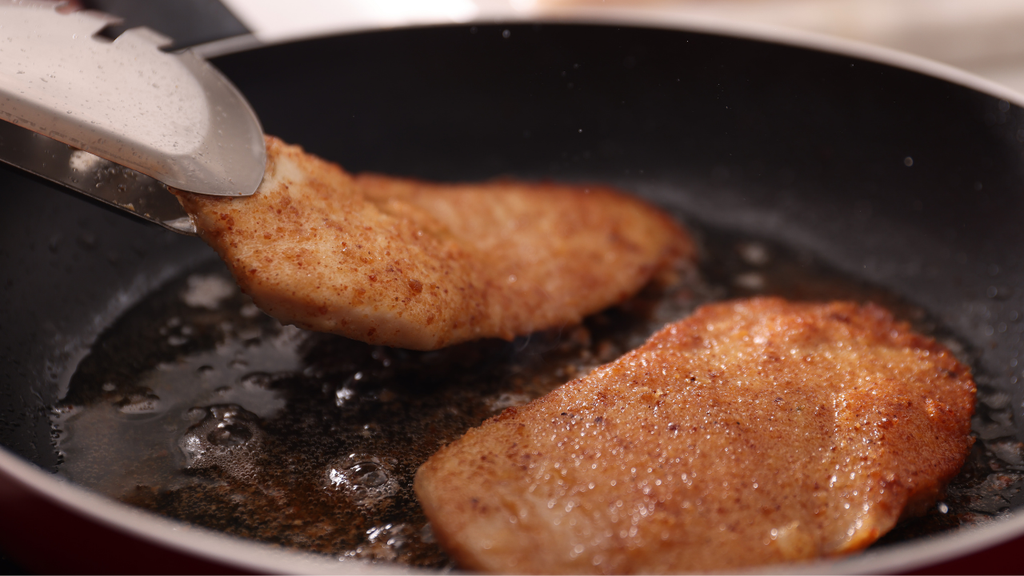
One of the most common mistakes is reacting to initial sticking by immediately trying to move the food. Repeated lifting, shifting, or scraping can damage the surface before it has had time to develop. Forcing a spatula underneath food can separate the browned layer from the food instead of helping it release cleanly.
The better response is to judge what the resistance means. If adhesion is easing as the surface browns and firms, leave the food alone. If the surface looks developed but the food stays firmly attached, check the cooking conditions.
The goal is not to prevent every moment of sticking. It is to distinguish between temporary adhesion and persistent sticking.
Frequently Asked Questions
These common questions help clarify when sticking is normal, when it signals a problem, and what to notice before moving food in the pan.
Why does food stick to a stainless steel pan?
Stainless steel allows strong contact between the food and the cooking surface, so proteins can grip the pan early in cooking. Proper preheating, enough fat, and letting the food’s surface develop before moving it can help reduce sticking.
Does food sticking mean the pan is not hot enough?
Not necessarily. Food can stick when a pan is too cool, but initial adhesion can also be normal even at an appropriate temperature. The more useful question is whether the resistance decreases as the surface cooks.
Why does fish stick to the pan so easily?
Fish is delicate and has a fragile surface structure. If you move it before that surface has set and browned, it can tear or leave part of the exterior behind on the pan.
Should you wait for meat to release naturally from the pan?
In many cases, yes. Meat often grips the pan early, then releases more easily as the surface browns and firms. If it still resists strongly, it may need more time before you turn it.
Can excess moisture make food stick?
Yes. Surface moisture can delay browning and make clean release more difficult. Drying the food’s surface before cooking can help it develop a firmer exterior more efficiently.
Temporary Adhesion Versus Persistent Sticking
| What you notice | What it likely means | What to do |
| Food grips early, then begins to loosen | Normal temporary adhesion | Give the surface more time to develop |
| Resistance decreases as browning develops | The food is moving toward release | Continue watching for easier movement |
| Food tears when you try to lift it | The surface may not have set enough | Stop forcing it and allow more development |
| Food lifts with little resistance | The surface is likely ready to move | Turn or reposition gently |
| Food remains firmly attached after the surface appears browned and set | Persistent sticking | Check heat, fat, surface moisture, and pan preparation |
Normal Temporary Adhesion
Food grips the pan early, then becomes easier to lift as the surface firms and browns. The key signal is improvement. Resistance decreases as cooking progresses.
Persistent Sticking
Food remains strongly attached even after the surface appears cooked and developed. The key signal is persistence. If resistance does not ease, the cooking conditions may need attention.
The next time food grips the pan, do not rush to move it. Notice whether the resistance is changing, watch the browning, and feel whether the surface is becoming firmer. Let those signals guide the next move.
JOIN THE LIST: Get the Essential Kitchen Cheat Sheets free when you join the Kitchen Know How newsletter. Clear technique guides delivered straight to your inbox.