
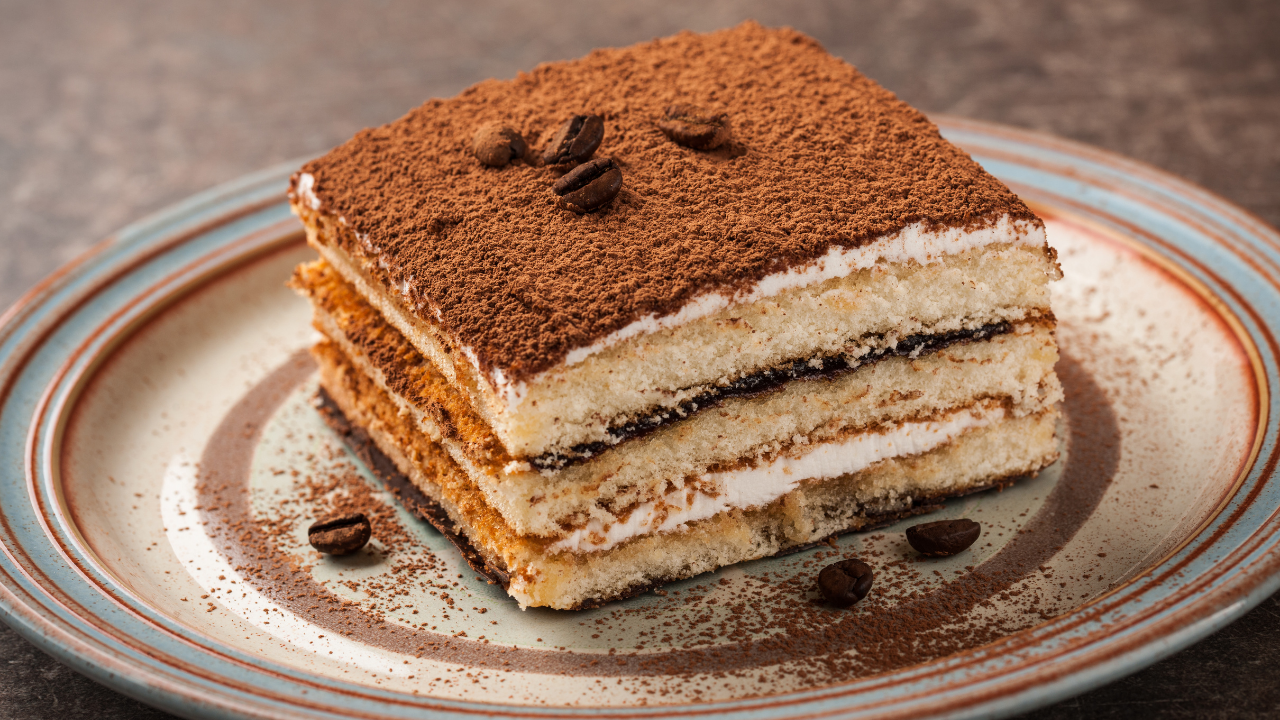
Tiramisu is one of the most recognizable desserts in Italian cooking, but it is often reduced to a name, a flavor, or a menu favorite. In practice, tiramisu is a layered dessert built on contrast. The cream layer brings richness and softness, the coffee-soaked base adds depth and moisture, and the cocoa finish sharpens the dessert with a dry, slightly bitter edge. What makes tiramisu distinctive is not just its flavor, but the way these elements balance one another in each bite.
That structure matters because it gives home cooks a clear way to judge the dessert. A well-built tiramisu should feel light but settled, moist but not wet, and rich without being heavy. Understanding these traits makes it easier to see whether the dessert is balanced or has become too dense, too sweet, or collapsed.
Home cooks encounter tiramisu in family-style pans, restaurant slices, bakery cases, and plated dessert menus, which is why it often serves as a familiar reference point for other layered, chilled desserts. Seeing it this way helps you move beyond the name alone and start recognizing the structure that makes it work.
Defining Tiramisu by Structure, Not Just Name
Tiramisu is a chilled layered dessert built from three defining parts: a mascarpone-based cream, coffee-soaked biscuits, and a final dusting of cocoa. Those elements are not interchangeable decorations. They create the dessert’s identity by working together as distinct layers, each contributing richness, absorption, and contrast.
That is why tiramisu should not be treated as just any coffee-flavored cream dessert or a loosely assembled trifle. When the layers blur together or the base becomes overly wet, the dessert loses the clarity that gives tiramisu its character. It should feel unified yet clearly structured.
At its core, tiramisu depends on control. The biscuits need enough moisture to soften without dissolving, the cream needs lightness without turning loose, and the finished dessert needs layers that remain defined when served. That balance of moisture, softness, and structure is what separates tiramisu from a dessert that only borrows its name.
How Understanding Tiramisu Improves Texture and Balance
Understanding tiramisu as a structured dessert helps you judge more than flavor alone. It sharpens your sense of texture, sliceability, sweetness balance, and finish. When the layers are working properly, the dessert should portion cleanly, feel soft without slumping, and leave a balanced impression rather than a heavy one.
Most problems come from misunderstanding the relationship between moisture, richness, and layering. Too much absorption turns the base weak and soggy. A dense or overly rich cream layer makes the dessert feel heavy instead of light. Poor layer control blurs the contrast that gives tiramisu its definition, so the final result tastes flat or muddled rather than composed.
That understanding gives home cooks more confidence when evaluating the dessert in front of them. Instead of asking only whether it tastes good, you start noticing whether it feels properly built. A balanced tiramisu should feel settled, clear, and controlled, while a flawed one often reads immediately as wet, dense, overly sweet, or structurally weak.
Recognizing Tiramisu Across Italian and Modern Dessert Contexts
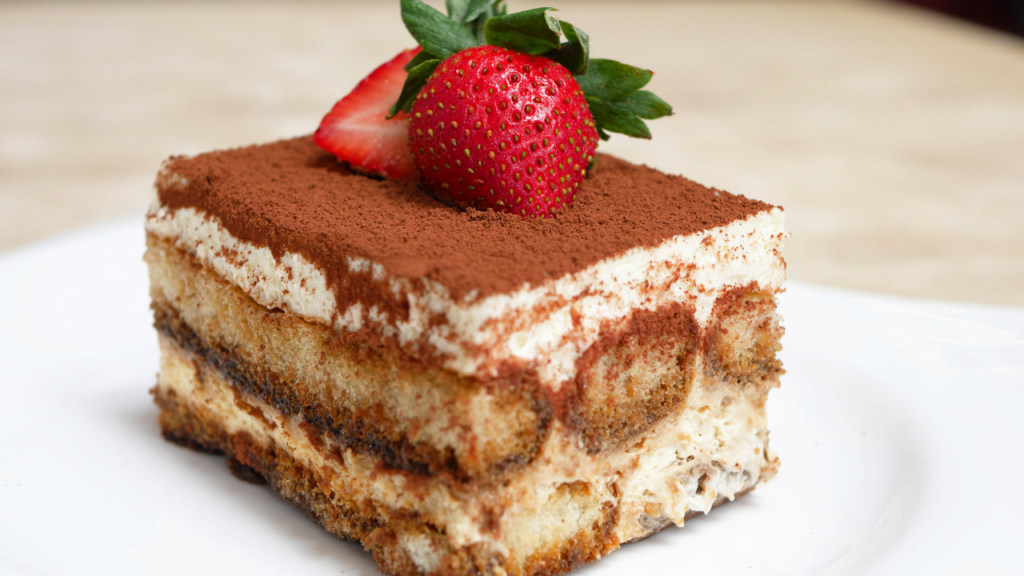
Tiramisu appears in several forms, but the underlying structure stays consistent. In a classic Italian presentation, it is often served in a pan or dish, with visible layers of cream and soaked biscuits beneath a cocoa-coated surface. In modern restaurant settings, the same idea may appear as a refined slice, an individual glass portion, or a more composed plated dessert, but the defining pattern remains the same: soft cream, absorbed base, and a finish that sharpens the richness.
Seeing that pattern helps place tiramisu within a broader family of chilled layered desserts, while still recognizing what makes it distinct. It is not the serving format that defines it, but the balance of layered contrast and controlled texture. Whether it is presented family-style at home or in a more polished restaurant portion, the dessert should still read clearly as tiramisu rather than a generic cream dessert.
This kind of pattern recognition helps home cooks look past presentation and focus on structure. A pan on a family table, a square portion in a bakery case, or an individual serving on a dessert menu may look different at first, but the same structural logic should still be visible in each.
Reading the Signs of a Well-Built Tiramisu at Home
A well-built tiramisu should look settled and feel light without seeming loose. The cream layer should appear smooth and stable, not stiff or heavy, while the soaked layers beneath it should be soft but still distinct. When you lift a spoonful, the dessert should give way cleanly rather than collapsing into a wet mass.
Sensory cues are usually clear once you know what to look for. The coffee should be present but not overpowering, the softness should feel controlled rather than soggy, and the overall bite should remain balanced from first taste to finish. A proper tiramisu feels creamy and delicate, yet still structured enough to hold its identity on the spoon.
Problems also show themselves quickly. If the dessert looks pooled or slumped, it is likely too wet. If it feels thick, pasty, or overly rich, the cream layer has probably become too dense. If sweetness dominates or the layers blur together without definition, the tiramisu is missing the contrast that gives it clarity.
Quick visual guide
| Smooth, Settled Cream | Stable Structure |
| Soft but distinct layers | Controlled absorption |
| Clean spoon cut | Proper layering |
| Slumped or pooled appearance | Too much moisture |
| Thick, pasty mouthfeel | Cream layer too dense |
| Sweet but flat finish | Not enough contrast |
Where Home Cooks Misread Tiramisu
One of the most common misunderstandings is the idea that more always means better. More coffee can push the base past soft and into soaked. Too much filling can make the dessert feel thick and heavy, rather than light and layered. Tiramisu works because each part stays in balance, not because one element dominates the others.
Home cooks also run into trouble when the structure is handled too aggressively. Over-soaking weakens the biscuits, over-mixing can deflate or loosen the cream, and flattening the mascarpone layer too heavily removes the gentle separation that gives the dessert its clean feel. These are small shifts, but they quickly change the final texture.
The correction is usually simple. Keep the soaking controlled, handle the cream with restraint, and let the layers remain soft but defined. When each component is given just enough, the dessert returns to the balance and structure that make tiramisu recognizable.
Seeing the Difference Between Proper Layering and a Soft Collapse
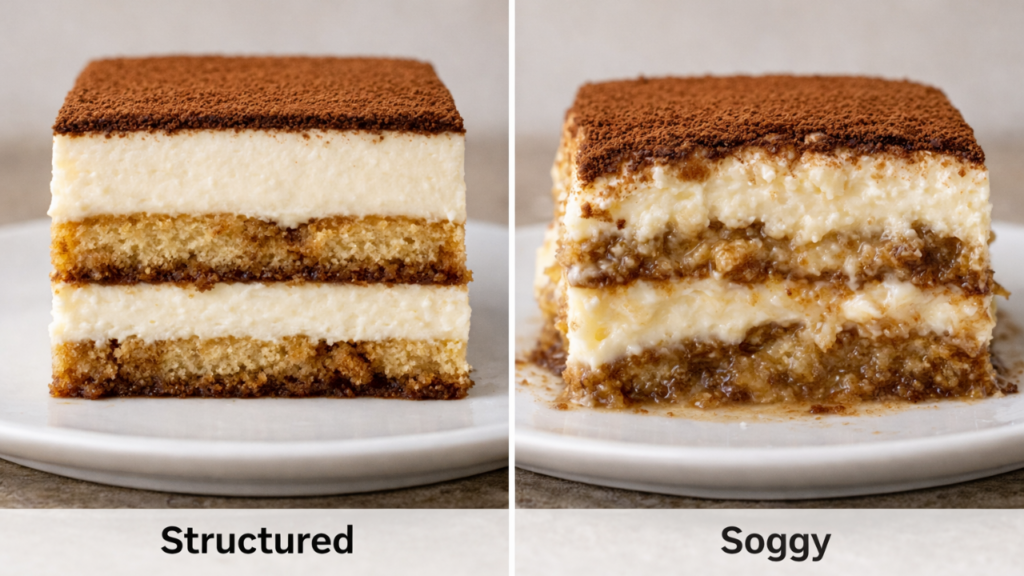
A well-layered tiramisu feels soft, but it still holds together when served. The layers remain visible, the spoon passes through with little resistance, and the dessert settles on the plate without spreading into a puddle. By contrast, an oversoaked or overly loose tiramisu loses its shape almost immediately, with the cream and biscuits blending into one indistinct mass.
The key difference is that creamy softness is controlled, while structural weakness is not. A proper tiramisu should feel delicate and moist, yet still defined. When the biscuits absorb too much liquid, when the layers are assembled too loosely, or when the cream lacks enough stability, that softness turns into collapse.
Resting also affects the final result. Given enough time, the layers settle, the moisture redistributes, and the dessert becomes more cohesive. But resting cannot fix a tiramisu that was built without control in the first place. The final structure depends on balanced absorption, careful layering, and enough time for the dessert to set.
Comparison at a glance
| Layers Remain Visible | Layers Blur Together |
| Spoon cuts cleanly | Dessert sinks or spreads |
| Moist but controlled | Wet or waterlogged |
| Cream feels light | Cream feels loose or unstable |
| Holds shape when served | Falls apart immediately |
When Variation Works Without Losing the Dessert’s Identity
Variation can work in tiramisu as long as the core structure remains clear. Different serving formats, subtle flavor shifts, or restrained additions can still feel true to the dessert when the balance between cream, a soaked base, and a cocoa-led finish is preserved. The goal is not to freeze tiramisu into one rigid form, but to understand what gives it its identity before adapting it.
That is why additions should support the dessert rather than bury it. Extra sweetness, stronger alcohol, or competing flavors can easily overwhelm the contrast that makes tiramisu feel composed. A variation works best when it respects the dessert’s lightness, moisture control, and layered clarity, rather than turning it into something louder but less focused.
Good judgment matters most when adapting the dessert. You can change the format, adjust intensity, or refine the flavor profile, but the final result should still read as tiramisu the moment it is served and tasted.
Quick Takeaways
- Tiramisu is defined by layered contrast, not coffee flavor alone.
- Its structure depends on controlled moisture, lightness, and clear layer definition.
- Too much coffee, too much filling, or rough handling weakens the dessert.
- A good tiramisu feels soft, balanced, and stable rather than wet or heavy.
- Understanding tiramisu helps you judge other layered chilled desserts more clearly.
Tools That Help When Making Tiramisu


A few tools make it easier to build tiramisu cleanly and evaluate it with more control. A mixing bowl and whisk help keep the cream smooth and evenly combined. A spatula is useful for spreading the mascarpone mixture gently without pressing the layers flat. A fine-mesh sieve gives you a light, even cocoa finish, rather than heavy patches on the surface.
The serving dish also matters more than many home cooks expect. A shallow rectangular or square dish helps the layers stay even and makes the finished dessert easier to portion cleanly. If you are making individual servings, small glasses or ramekins help control layering and presentation while still preserving the dessert’s structure.
For assembly and chilling, a flat tray space in the refrigerator helps the dessert rest undisturbed so the layers can settle properly. None of these tools is complicated, but each one supports the control and consistency that tiramisu depends on.
Suggested tools
- Mixing bowl
- Whisk
- Flexible spatula
- Fine mesh sieve
- Shallow rectangular or square dish
- Ramekins or small glasses for individual portions
FAQs
Is tiramisu always made with coffee?
In the classic version, yes, coffee is one of the defining elements. It gives the soaked biscuit layer depth and contrast against the cream. When coffee is removed, the dessert may still be inspired by tiramisu, but it begins to move away from the traditional structure and flavor profile.
What makes tiramisu feel too heavy?
Tiramisu usually feels too heavy when the cream layer is too dense, or the richness is not balanced by enough contrast. The dessert should feel soft and full, but not thick, pasty, or overly rich from the first bite to the last. When that balance is lost, the finish becomes dull instead of light and clean.
Why does tiramisu sometimes turn soggy?
Sogginess usually comes from excessive absorption in the biscuit layer or from a dessert assembled without enough control. The biscuits should soften but not dissolve into the cream. When too much moisture enters the structure, the layers lose definition, and the dessert begins to slump.
Is tiramisu the same as a trifle?
No. Both are layered desserts, but tiramisu relies on a more restrained, defined structure. A trifle often features looser layering, more components, and a softer, spooned presentation, while tiramisu is built around a controlled contrast between cream, soaked biscuits, and cocoa.
Does tiramisu need to hold a clean shape?
It should hold enough shape to serve cleanly, but it should not feel firm or rigid. A proper tiramisu stays soft and delicate while still showing clear layers and controlled structure. If it collapses immediately or spreads too easily, the balance has usually shifted too far.
Closing with Better Dessert Judgment
Tiramisu becomes easier to understand when you stop seeing it as just a popular Italian dessert and start seeing how its layers work together. The cream, soaked base, and cocoa finish each have a role, and the dessert succeeds when those parts stay balanced, light, and clearly defined.
That understanding gives home cooks a stronger basis for judging not only tiramisu but also other layered desserts. Once you recognize how moisture, softness, and contrast shape the final result, you can evaluate desserts with more confidence and clearer kitchen awareness.
Explore related Kitchen Know How articles to deepen your technique and cook with clearer control.