Clear Cooking Education. Professional Kitchen Thinking. Home Kitchen Confidence.
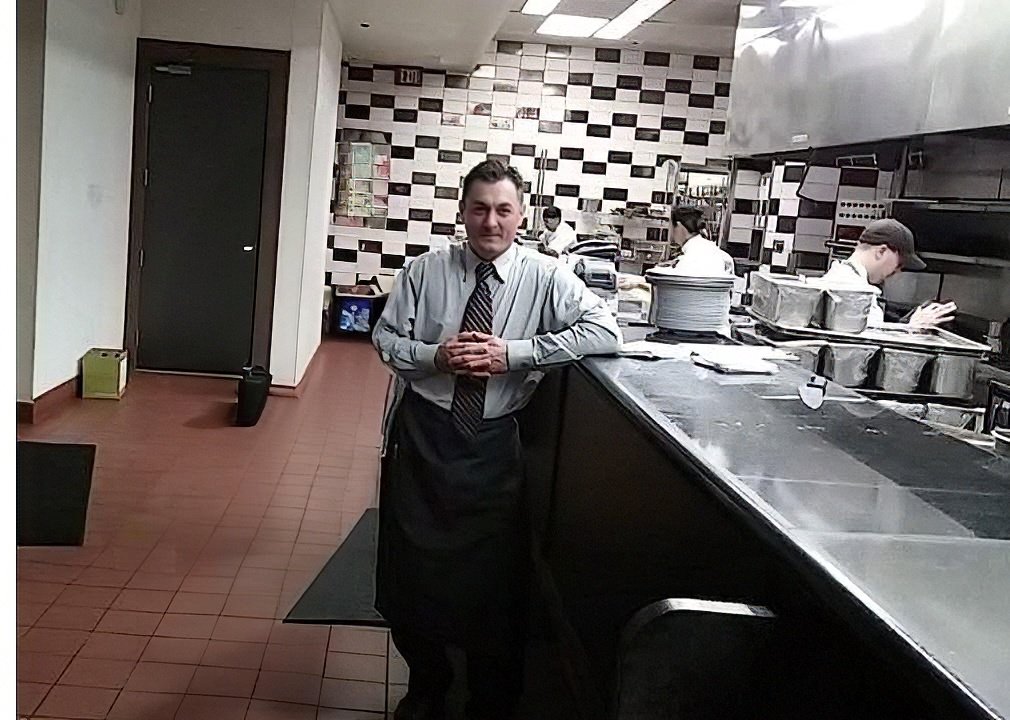
I’m Cem Berkoz. I’m not a chef, and I have never pretended to be one.
I am a 30-year veteran of the restaurant industry. Since 1995, much of my experience has been built at the pass, the demanding point where the kitchen and dining room meet.
At the pass, you learn to pay attention.
You notice when a sauce begins to split. You see when a protein needs a deeper sear. You learn how timing, texture, seasoning, temperature, and presentation affect the way a dish reaches the table.
You also learn that better cooking rarely comes from one secret ingredient or clever trick. It comes from understanding what is happening and knowing how to respond.
That experience shaped the way I think about food.
CemBerkoz.com exists to bring that practical awareness into the home kitchen through clear culinary education, professional technique, and thoughtful explanations of how cooking works.
You do not need restaurant training to become a more confident cook. You need useful information, reliable visual cues, and a stronger understanding of what to look for while you cook.
Why This Site Exists
Cooking information often falls into one of two extremes.
Some of it is overly technical, filled with professional language that leaves home cooks unsure how to apply it.
Some of it is simplified so heavily that the details responsible for good results are left out.
CemBerkoz.com is built to bridge that gap.
The goal is to explain culinary ideas clearly without removing the judgment, technique, and attention that make them useful.
This is not simply a collection of cooking tips. It is an educational resource for understanding ingredients, tools, methods, flavor, texture, heat, and the small decisions that influence the final result.
The goal is not to imitate a restaurant kitchen.
The goal is to think more clearly and cook with greater confidence in your own kitchen.
What You’ll Find Here
Kitchen Know How
Kitchen Know How explains the ideas behind better cooking.
These articles explore techniques, ingredients, tools, flavor relationships, cooking terminology, and the physical changes that happen during preparation and cooking.
You will learn why ingredients behave differently, how heat changes texture, what professional cooking terms actually mean, and how seemingly small choices can affect the entire dish.
Each article focuses on understanding rather than memorization.
When you understand why something works, you can apply that knowledge across many different dishes and situations.
Chef Mark Sandoval Demonstrations
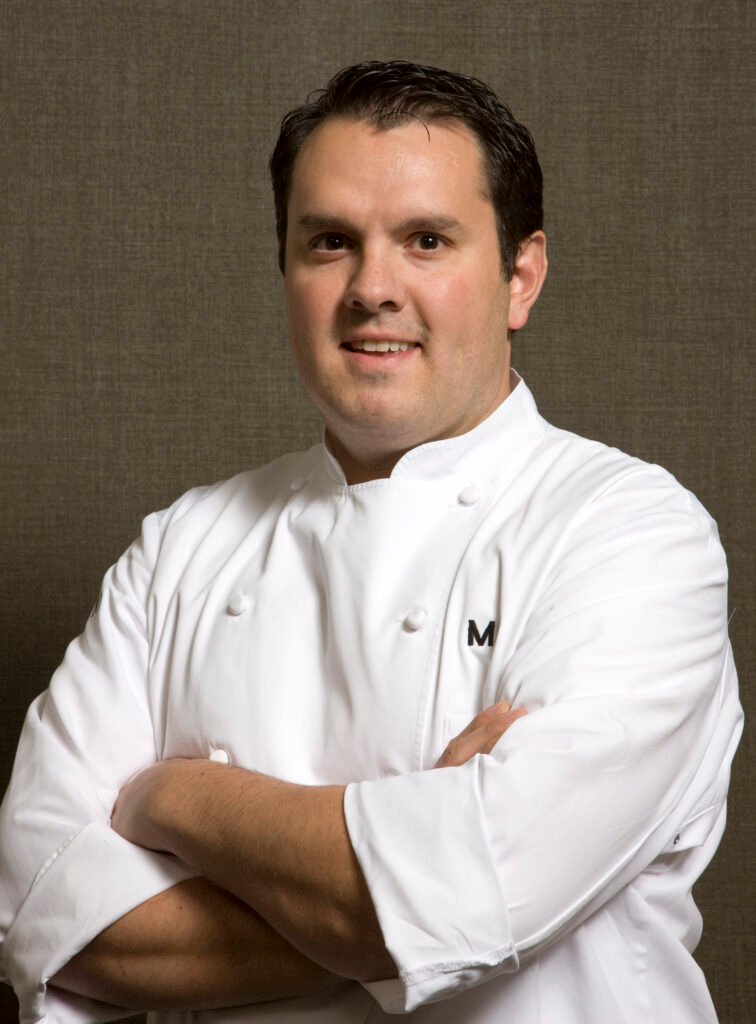
One of the most formative chapters of my culinary work was my collaboration with Chef Mark Sandoval.
In 2011, we produced more than 60 cooking videos together. Chef Mark demonstrated professional techniques, and my role was to help make those lessons approachable and useful for home cooks.
Chef Mark’s influence remains an important part of this site.
His demonstrations show how a professional cook approaches knife work, preparation, organization, timing, and control. The supporting articles help direct your attention to the movements, adjustments, and visual cues that matter most.
Together, these videos form a growing library of techniques for cooks who want to work with greater awareness, consistency, and precision.
Practical Culinary Reference
Some cooking questions do not require a full lesson. They require a clear answer that can be understood and applied quickly.
CemBerkoz.com also provides practical reference material covering subjects such as ingredient differences, cooking temperatures, knife cuts, kitchen tools, food terminology, flavor balance, and signs of doneness.
The purpose is not to overwhelm you with information.
It is to give you the right information at the moment it becomes useful.
My Cooking Philosophy
I believe better cooking begins with understanding.
Clear explanations reduce uncertainty.
Technique is more valuable than disconnected tips.
Visual and sensory cues are often more useful than rigid timing.
Professional knowledge should be translated, not diluted.
Small adjustments can make a significant difference.
Most importantly, you do not need to be a chef to think carefully about food.
You need to understand what is happening in the pan, bowl, oven, or pot. You need to recognize the signs that something is working and know how to adjust when it is not.
That kind of judgment develops over time, but it can be taught.
Whether you are learning a new technique, trying to understand an ingredient, or building stronger instincts in the kitchen, CemBerkoz.com is here to help you cook with greater clarity and confidence.
Welcome to CemBerkoz.com.
— Cem Berkoz