
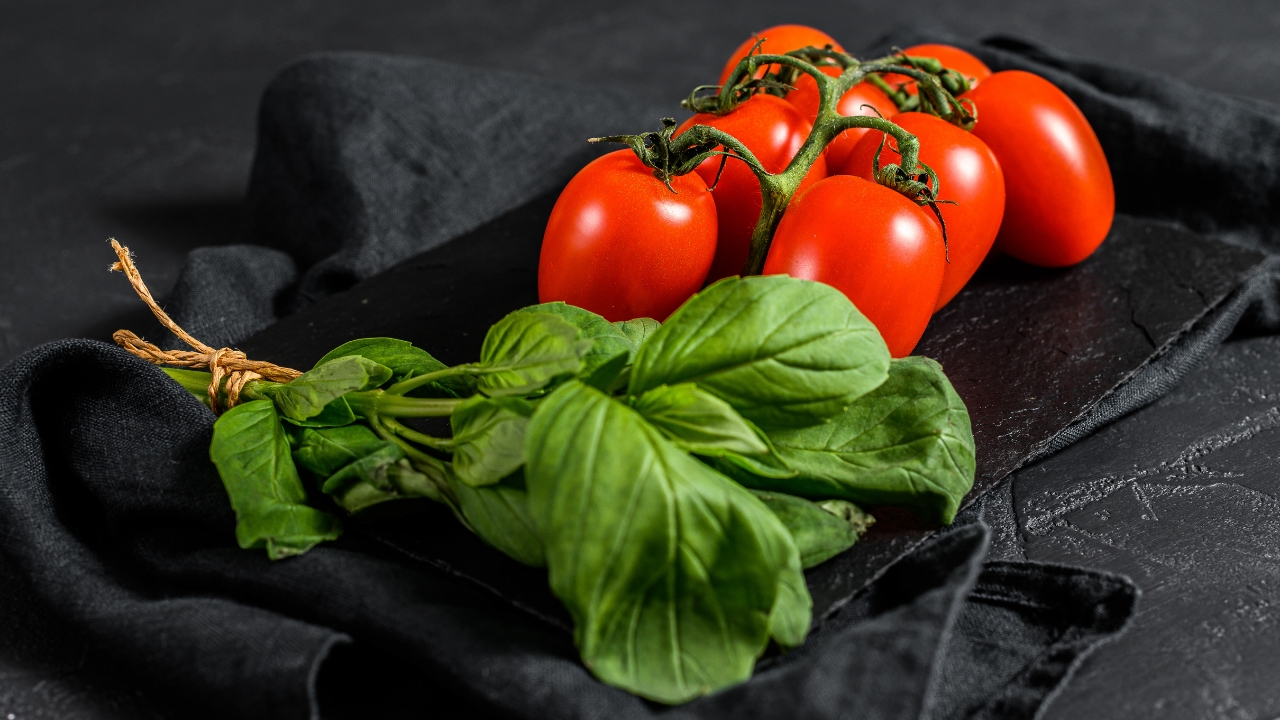
Tomato and basil appear together across cuisines, from fresh salads to cooked sauces and composed dishes. The pairing feels natural and balanced. Many cooks accept that they belong together, but fewer understand why.
This combination is not accidental. It works because it solves a structural problem in cooking: balancing acidity with perceived sweetness and freshness. When that balance is understood, flavor becomes more predictable and easier to control.
Home cooks encounter this pairing in raw preparations, simmered sauces, soups, and baked dishes. Understanding what is happening beneath the surface improves judgment far beyond this one combination.
Tomato and basil serve as a model for a larger principle. When you learn why they work, you begin to recognize how acidity, sweetness, and aroma interact in many other ingredients. That awareness reduces guesswork and leads to cleaner, more confident cooking decisions.
The Structural Reason Tomato and Basil Complement Each Other
Tomato brings three primary elements to a dish: acidity, natural sugars, and glutamate-driven savoriness. Acidity provides brightness. Natural sugars soften that brightness. Glutamates contribute depth and a savory backbone, making the tomato feel substantial rather than sharp.
Basil contributes aromatic compounds that read as sweet, slightly peppery, and fresh. These compounds are volatile, meaning they are detected through smell before flavor is fully registered on the tongue. This early perception shapes how the brain interprets taste.
Together, tomato and basil create balance across three flavor dimensions: acid, sweet, and aromatic lift.
Functional Roles in the Pairing
| Tomato Provides | Basil Provides |
|---|---|
| Acidity and brightness | Aromatic sweetness perception |
| Natural sugars | Freshness and lift |
| Glutamate-driven savoriness | Peppery herbal notes |
| Structural depth and weight | Perceptual softening of sharpness |
Acidity refers to brightness and sharpness on the palate. It stimulates salivation and heightens other flavors. Sweetness softens that sharpness and rounds the edges. Aromatics influence perception before tasting even begins. When basil’s aroma suggests sweetness, the brain registers the tomato as less aggressive, even when no additional sugar is present.
Tomato is primarily structural and acidic, with sweetness and glutamates providing support. Basil is primarily aromatic, designed to modify perception rather than add weight. That distinction matters. One builds the base. The other adjusts how that base is experienced.
This pairing is not simply a cultural tradition. It is not random. It is not only about visual contrast. The foundation is chemical compatibility and complementary function.
The foundational rule is this: pair high acidity ingredients with herbs that reinforce perceived sweetness and aromatic freshness.
Basil fulfills that role with precision.
How This Pairing Improves Flavor Structure
When a tomato stands alone, especially in raw form, acidity can dominate. The dish may taste sharp, aggressive, or one-dimensional. Even when the tomato is ripe, brightness can overshadow sweetness and savoriness.
In cooked applications, the opposite problem can occur. As the tomato reduces, sugars concentrate, and moisture evaporates. Acidity softens slightly, but density increases. The result can feel heavy, dull, or overly thick on the palate.
Basil changes this structure in two distinct ways.
First, it’s sweet, leaning aromatics soften the perception of acidity without adding actual sugar. The brain detects aroma before full taste develops. When basil signals sweetness through scent, acidity feels more rounded and less sharp. This reduces the impulse to add sugar.
Second, basil restores vertical lift. Tomato provides horizontal depth and body. Basil adds upward movement through freshness and volatile aroma. That lift prevents tomato-based dishes from feeling dense, especially in longer-cooked preparations.
This structural contrast matters. Tomato builds weight. Basil reduces perceived weight. Tomato anchors. Basil lightens.
When this interaction is misunderstood, cooks often compensate incorrectly:
- They add sugar to counter sharpness, masking rather than balancing acidity.
- They increase salt to boost flavor intensity, which can amplify harshness rather than correcting it.
- They over-reduce sauces in search of depth, creating heaviness that freshness could have solved.
Understanding the pairing changes the order of correction:
- Instead of adjusting sweetness first, adjust aroma first.
- Instead of increasing salt immediately, you assess freshness.
- Instead of cooking longer, you evaluate balance.
This leads to cleaner structure, fewer heavy corrections, and more controlled flavor development. That is how this pairing improves cooking, not just taste.
Recognizing This Pattern Across Cuisines
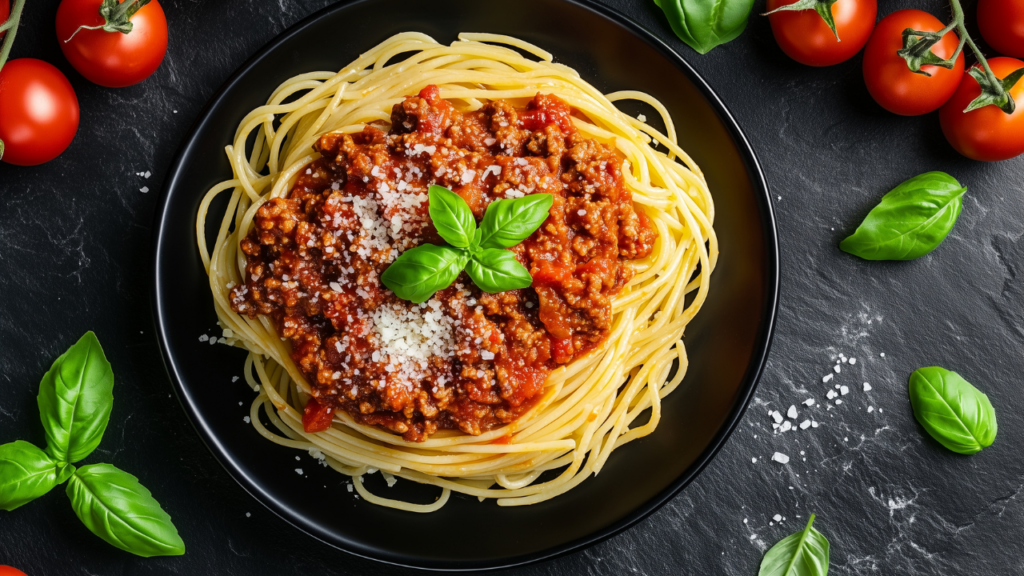
In Italian cooking, the pairing appears clearly in Caprese salad and Margherita pizza. In both cases, tomato provides acidity and body, while basil lifts and rounds the overall flavor structure.
The same pattern appears in Mediterranean summer salads, where tomatoes are served raw with herbs. The goal is not complexity. The goal is balance. Basil modifies brightness without masking it.
In cooked pasta sauces and light seafood preparations, basil is often introduced near the end of cooking. This timing preserves volatile aromatic compounds and prevents the sauce from feeling dense. The herb restores freshness when tomato depth is reduced.
This is not limited to one cuisine. Whenever a dish centers on tomatoes with noticeable acidity, cooks often introduce an herb that reinforces sweetness through aroma. Basil simply performs that role with unusual precision.
When you recognize this recurring structure, you stop seeing tomato and basil as a stylistic choice. You see them as a functional pairing that solves a predictable flavor imbalance.
That recognition transfers to other ingredients and other cuisines.
Applying Tomato and Basil Pairing With Control
Understanding the structure allows you to adjust based on tomato condition, ripeness, cooking time, and overall dish weight.
Tomatoes are not consistent year-round. Some are naturally sweet and balanced. Others are acidic and thin. Basil’s strength also varies with freshness and storage. Control begins with assessment.
Watch for these signals in your kitchen:
- If tomatoes taste overly sharp or aggressive, slightly increase the amount of fresh basil before reaching for sugar. Aromatic sweetness often softens acidity more cleanly than added sweetness.
- If a tomato dish feels heavy, dense, or cooked down, introduce basil near the end to restore lift. Fresh aroma counteracts weight.
- If the basil aroma disappears quickly after adding it, the heat may be too high or the exposure time too long. Volatile compounds degrade under sustained heat.
- If the dish tastes sweet but dull, the issue may not be herbs. Acidity may need reinforcement to restore contrast.
- If the dish smells fresh but tastes flat, salt or natural glutamates may be insufficient. Aroma alone cannot compensate for a weak structure.
Sensory cues guide correction:
- Smell the basil before adding it. Strong aroma indicates active volatile oils. If the scent is faint, the herb will contribute little lift.
- Taste the tomato on its own. Notice acidity first. Then assess sweetness. Then notice savoriness. Basil can adjust perception, but it cannot create sweetness or depth where none exists.
- Also consider texture. In raw applications, basil should feel integrated but not crushed into the tomato. In cooked applications, it should lighten rather than dominate.
Control comes from sequence. Evaluate acidity before adding sweetness. Evaluate the aroma before adding salt. Evaluate the weight before cooking longer.
Respond to what the food is telling you, not to what you assume it needs.
Frequent Errors When Using Tomato and Basil
Most problems with this pairing do not come from poor ingredients. They stem from misunderstandings of timing, aroma, and structure.
Tomato and basil are simple ingredients, but their interaction depends on sequence and balance. When cooks adjust without diagnosing the real issue, they often create new imbalances.
The most common errors follow predictable patterns:
| Mistake | Why It Happens | Correction |
| Adding basil too early in long cooking | Heat destroys volatile aromatic compounds | Add basil near the end to preserve aroma |
| Using dried basil as a direct substitute for fresh | Dried basil lacks the same bright aromatics | Use dried basil in cooked sauces only, not fresh applications |
| Misreading acidity as an imbalance | Assuming basil will fix the weak flavor | Use basil to soften perception before adding sugar |
| Ignoring tomato quality | Assuming basil will fix weak flavor | Start with ripe, properly seasoned tomatoes |
Most mistakes stem from misunderstandings of timing and aroma.
When the Tomato and Basil Balance Needs Adjusting
Flavor balance is not fixed. It shifts with reduction, timing, ingredient strength, and season.
There are situations in which the relationship between tomato and basil changes. Recognizing those moments prevents unnecessary correction.
In heavily reduced tomato sauces, concentration reshapes structure. As moisture evaporates, sugars and glutamates intensify. The sauce becomes deeper and denser.
In that environment, Basil’s fresh lift carries less influence. Too much can feel separate from the sauce rather than integrated. Here, basil should lighten gently, not dominate.
In long-simmered preparations, timing determines effect. Adding basil early blends flavor but sacrifices aromatic brightness. Adding it late preserves lift but increases contrast.
The decision depends on what the dish needs more of: cohesion or freshness.
When strong supporting ingredients are present, balance tightens:
- Anchovy increases salinity and depth.
- Garlic increases pungency.
- Chili sharpens heat.
- Aged cheese adds density.
In these cases, basil must support the structure rather than compete with it.
Season also influences adjustment. Peak-summer tomatoes often require less correction because their natural sweetness is higher. Off-season tomatoes may benefit from basil’s softening effect, but only if the base flavor is strong enough to carry it.
The principle remains consistent: use basil to lift and soften acidity. Adjust intensity according to weight, concentration, and supporting ingredients.
Exceptions require evaluation. They do not replace the foundational rule.
Quick Takeaways
- Tomato provides acidity and structural depth.
- Basil provides aromatic sweetness and freshness.
- Add basil later to preserve its impact.
- Use basil to balance acidity before adding sugar.
- Judge based on aroma and taste, not tradition alone.
FAQs
Can dried basil replace fresh basil in tomato dishes?
Dried basil works in long-cooked sauces but does not provide the same aromatic lift as fresh basil. It changes the dish’s character and cannot replicate the perception of fresh sweetness.
Why does basil lose its flavor quickly in hot sauces?
Its aromatic compounds are volatile and degrade at prolonged high temperatures. High temperatures reduce lift and sweetness perception. Timing directly affects impact.
Should basil be chopped finely or left in larger pieces?
Finely chopping releases more aromatic oils quickly but also speeds oxidation and flavor loss. Larger pieces preserve aroma longer and provide gentler integration. The decision depends on how immediate and intense you want the effect to be.
Why does my tomato sauce still taste sharp even after adding basil?
Basil softens perception but cannot correct unbalanced acidity or under-ripeness. If the tomato lacks natural sweetness or sufficient salt, the structure remains incomplete.
Can other herbs perform the same role as basil?
Some herbs can balance acidity, but each alters the aromatic profile. Parsley adds freshness without sweetness. Oregano adds earthiness. Basil uniquely reinforces perceived sweetness.
Does this pairing only work with raw tomatoes?
No. It works in both raw and cooked applications. However, timing and intensity must shift depending on the concentration and the degree of reduction.
Why does basil sometimes taste bitter?
Overheating, bruising, or oxidation can dull sweetness and expose bitter notes. Gentle handling and proper timing preserve its intended role.
Related Recipes or Articles
To deepen your understanding, explore:
- Acid Balance in Cooking
- How Fresh Herbs Change Flavor Structure
- Deglazing Explained: Unlock Rich Flavor With One Simple Trick
Then apply this awareness the next time you cook with tomatoes.
Kitchen Tools That Support This Concept
These tools help preserve and control basil’s aromatic strength, which directly affects how it balances the tomato’s acidity.
Sharp Chef’s Knife
A sharp chef’s knife allows you to slice basil cleanly without bruising it. Bruising damages cell walls and releases aromatic oils too aggressively, quickly dulling freshness.
Clean cuts preserve aroma and structure. That control matters when basil’s role is to soften acidity rather than overpower the dish.
A sharp knife protects flavor integrity and improves precision.
Airtight Herb Storage Container
Basil’s impact depends on aromatic strength. Once it wilts or oxidizes, its ability to soften acidity weakens.
An airtight container slows moisture loss and reduces exposure to air. Proper storage helps preserve volatile oils, which are responsible for basil’s perceived sweetness and freshness.
When aroma is preserved, balance is easier to achieve. This tool supports control before cooking even begins.


Closing and Next Step
Tomato and basil work together because they balance structure and aroma. Acidity meets perceived sweetness. Depth meets freshness. One builds weight. The other adjusts how that weight is experienced.
When you understand the mechanism behind the pairing, you stop relying on repetition and start relying on evaluation. You assess acidity before adding sugar. You evaluate freshness before adding salt. You adjust the aroma before increasing intensity.
This is how confidence develops in the kitchen: not by memorizing combinations, but by recognizing why they work.
Explore related Kitchen Know How articles and continue building flavor awareness with deliberate attention to balance and structure.