
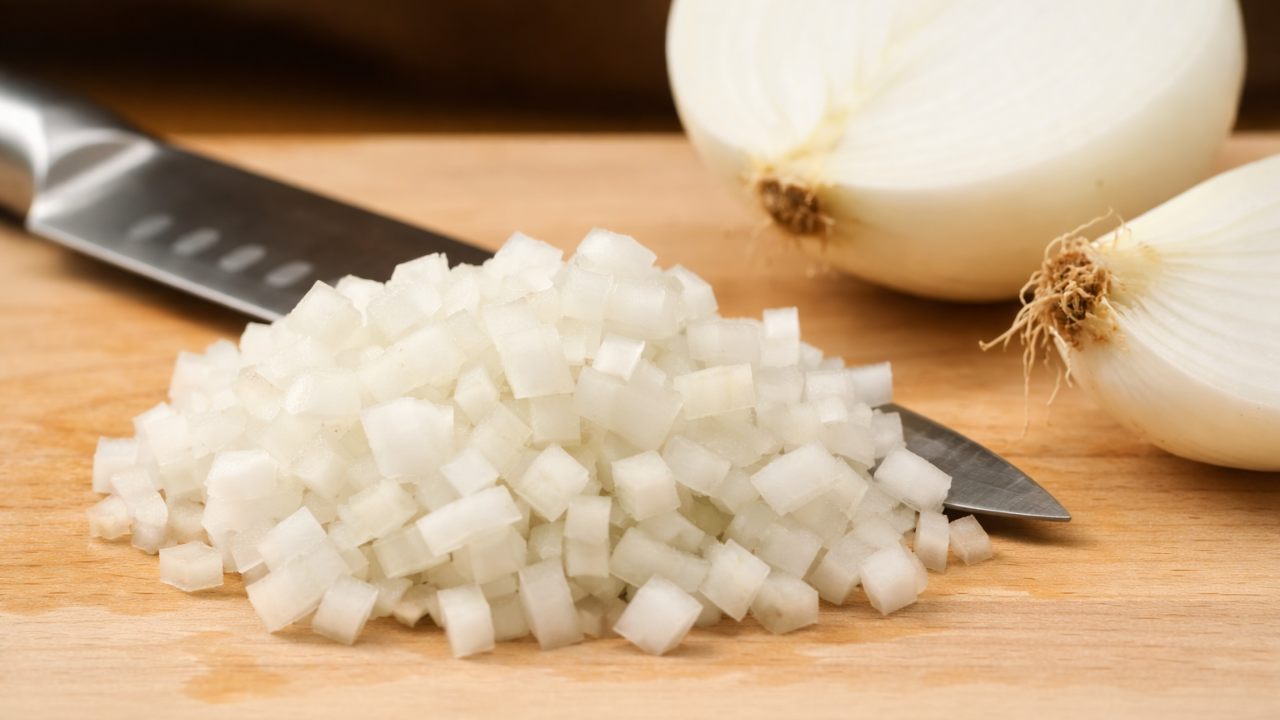
Small onion dice is a foundational knife skill that directly affects texture, cooking speed, and flavor distribution. When cut correctly, the onion cooks evenly, integrates smoothly into sauces, and disappears structurally while leaving flavor behind.
Inconsistent knife work creates uneven softening, visible fragments, and unpredictable texture in the final dish. Small dice solves that problem by creating controlled, uniform pieces that respond to heat at the same rate.
This demonstration is for cooks who are refining their control. The goal is not speed. The goal is structural awareness, spacing discipline, and clean execution.
Watch: Chef Mark Sandoval Demonstrates Small Onion Dice
In this demonstration, Chef Mark shows how structure, knife alignment, and pressure control determine the final texture.
What You’ll Learn
- How to structure the onion before cutting
- How horizontal and vertical cuts create uniformity
- What visual cues signal proper spacing
- How blade control affects final texture
- Why does size consistency change cooking performance
Ingredient Overview
For small-onion dice, ingredient quality directly affects control. A properly structured onion holds together during horizontal and vertical cuts. A weak or soft onion collapses under the blade.
You are not choosing for flavor alone. You are choosing for structural integrity.
| Ingredient Factor | What to Look For | Why It Matters |
|---|---|---|
| Onion Type | Yellow or white onion | Neutral flavor and reliable structure for fine dicing |
| Texture | Firm and dense when pressed | Allows clean slicing instead of compression |
| Outer Skin | Dry and papery | Signals freshness and proper storage |
| Surface Condition | No soft spots or bruising | Prevents breakdown during cutting |
| Root Structure | Dry, compact root intact | Anchors layers and stabilizes the internal structure |
The root is not decorative. It is structural. Keeping it intact keeps the dice controlled and consistent.
Tools You’ll Need
Precision knife work depends on stability and control. The right tools do not make the cut for you, but they create the conditions for clean execution. Movement should be intentional, not reactive.
Chef’s Knife
Primary cutting tool. A sharp blade with adequate length allows smooth, controlled strokes and clean separation of the layers.
Cutting Board
Stable and dry on top. The board should not shift during cutting. Movement beneath the surface leads to uneven spacing and reduced control.
Damp Kitchen Towel
Placed flat beneath the cutting board to prevent sliding, a lightly damp towel anchors the board and creates a stable cutting surface.
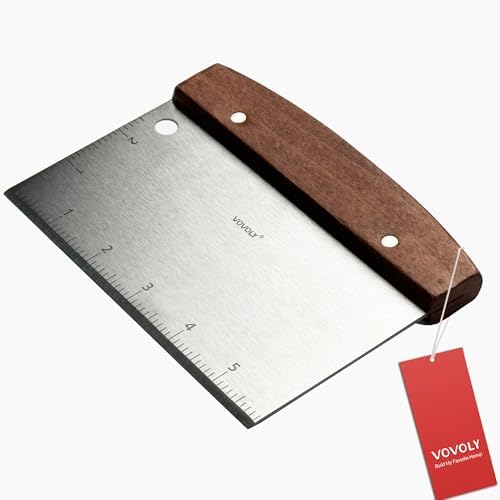
Optional: Bench Scraper
For transferring diced onion without using the blade edge. Prevents dulling the knife and avoids compressing the cubes.
What to Watch For in the Demonstration
Observe structure before movement. Notice how control is established before speed increases.
- The onion remains anchored at the root, holding the layers together.
- Horizontal cuts stay parallel to the board, defining internal height.
- Vertical cuts remain evenly spaced, determining the final cube size.
- The knife tip leads while the heel follows through cleanly.
- The guiding hand controls spacing without squeezing the onion.
- The final downward cuts release uniform cubes with minimal resistance.
Watch how the pieces separate cleanly without tearing. Clean separation signals sharpness, correct pressure, and proper blade motion.
Technique Breakdown
Initial Setup and Control
The onion is halved and peeled. The flat side rests firmly on the board to eliminate movement. The root remains intact to hold the layers together and maintain internal structure.
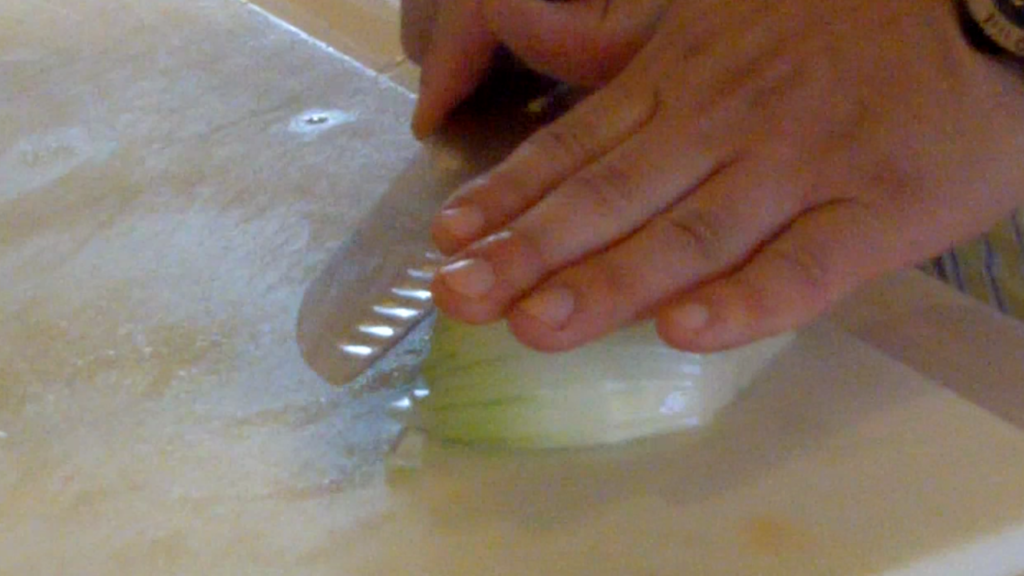
Horizontal cuts are established first. These define the height of the final dice and create the internal grid that determines uniformity.
Control is prioritized before speed increases.
Mid-Stage Transformation
Vertical cuts follow, spaced deliberately to determine the final cube width. The guiding hand regulates distance while the blade moves with minimal force.
At this stage, the onion appears whole externally but is internally segmented. Structure is built before release.
Consistency here determines the final result.
Adjustment Moment
Watch blade angle and resistance. If the onion begins to compress rather than separate, pressure adjusts.
The knife slices forward instead of pushing down. Wrist alignment stays neutral to maintain straight cuts.
Adjustment is subtle. It prevents crushing and preserves clean edges.
Final Refinement
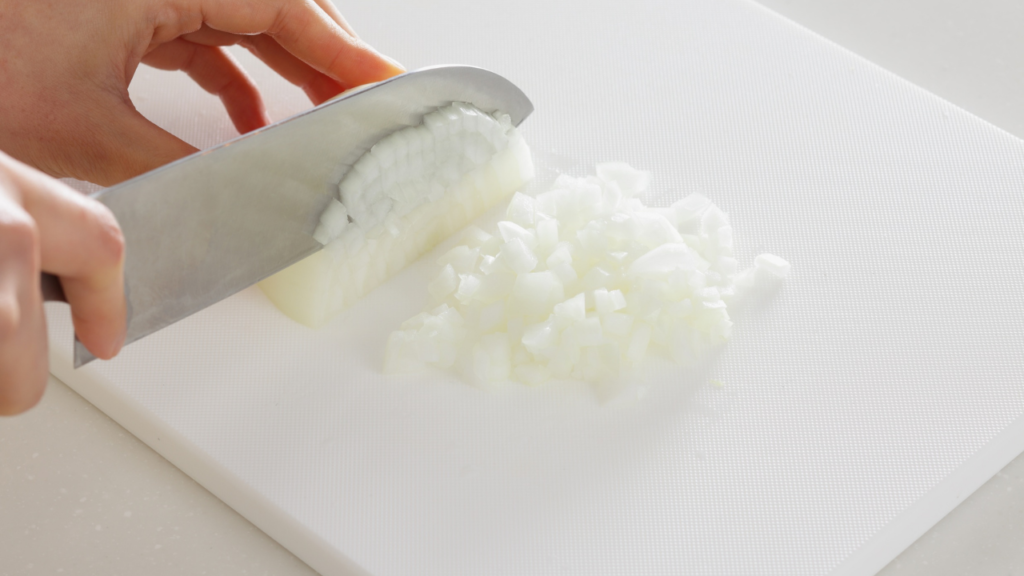
Downward cuts release the dice. The internal grid becomes visible as the cubes separate cleanly.
The root is discarded at the end, once the structure is no longer needed.
Uniform size ensures even cooking, predictable softening, and consistent texture in the final dish.
Key Chef Adjustments
- Keeps the root intact for structural stability
- Uses knuckle guidance for consistent spacing
- Adjusts wrist angle to maintain straight cuts
- Reduces pressure to avoid crushing layers
- Stops cutting once uniformity is achieved
Common Mistakes & Professional Corrections
Small dice often break down when control is rushed or structure is skipped. These mistakes are not about effort. They are about spacing, pressure, and sequence awareness. Recognizing the cause allows you to correct the pattern quickly.
| Mistake | Cause | Professional Correction |
| Uneven dice | Inconsistent spacing | Slow down and pre-visualize cut intervals |
| Crushed onion | Excess downward pressure | Slice forward instead of pushing down |
| Slipping layers | Root removed too early | Keep the root intact until the final cuts |
| Large fragments | Skipping horizontal cuts | Build internal structure first |
When to Use This Technique
Small-onion dice is best when the onion softens quickly and integrates fully into the dish rather than remaining texturally distinct.
Use this technique when:
- Building sauces and soups where onions form the flavor base
- Starting mirepoix or aromatic foundations
- Preparing fillings that require uniform distribution
- Making dressings, relishes, or emulsified bases
- Any application requiring fast, even softening
Choose a larger dice when you want the onion to remain visible or contribute noticeable texture.

Final Thoughts
Small onion dice is not about speed. It is about structure, alignment, and deliberate movement. Precision at this stage determines how the ingredient behaves under heat.
When size is inconsistent, cooking becomes unpredictable. Some pieces soften too quickly. Others remain firm. Uniform dice removes that variability and creates even softening, balanced flavor release, and controlled texture.
Knife work is the first form of heat control. It happens before the pan is ever turned on.
Practice slowly. Focus on spacing. Build internal structure before releasing the dice. Let uniformity become intentional rather than accidental.
Watch another Chef Mark Sandoval demonstration to continue refining your knife precision.